The underwriting problem
Brand activations are underwritten as a supply chain, not a single venue — the structure, the vehicle, the product, and the contract all move together, and each stop resets the permit clock.
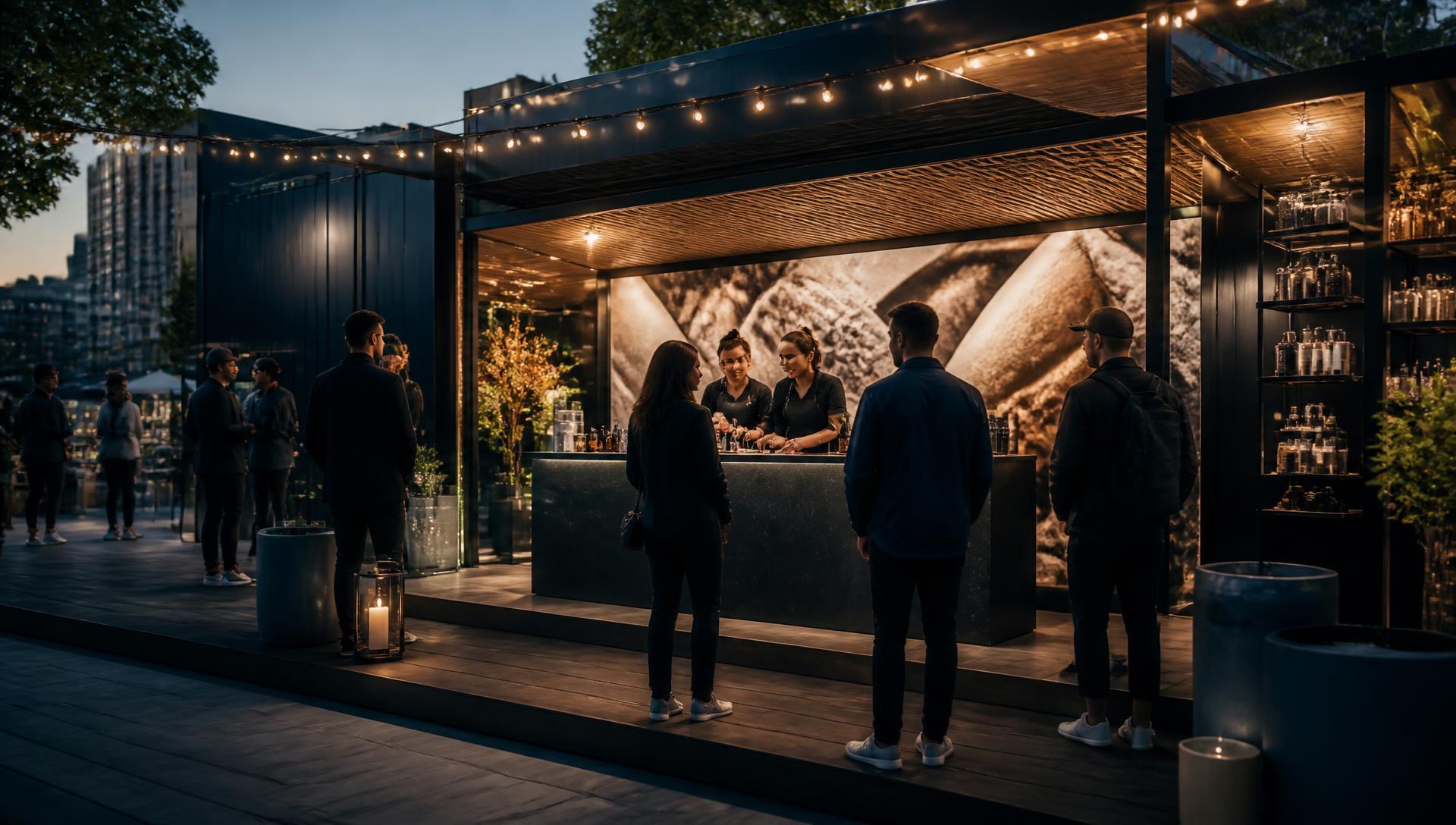
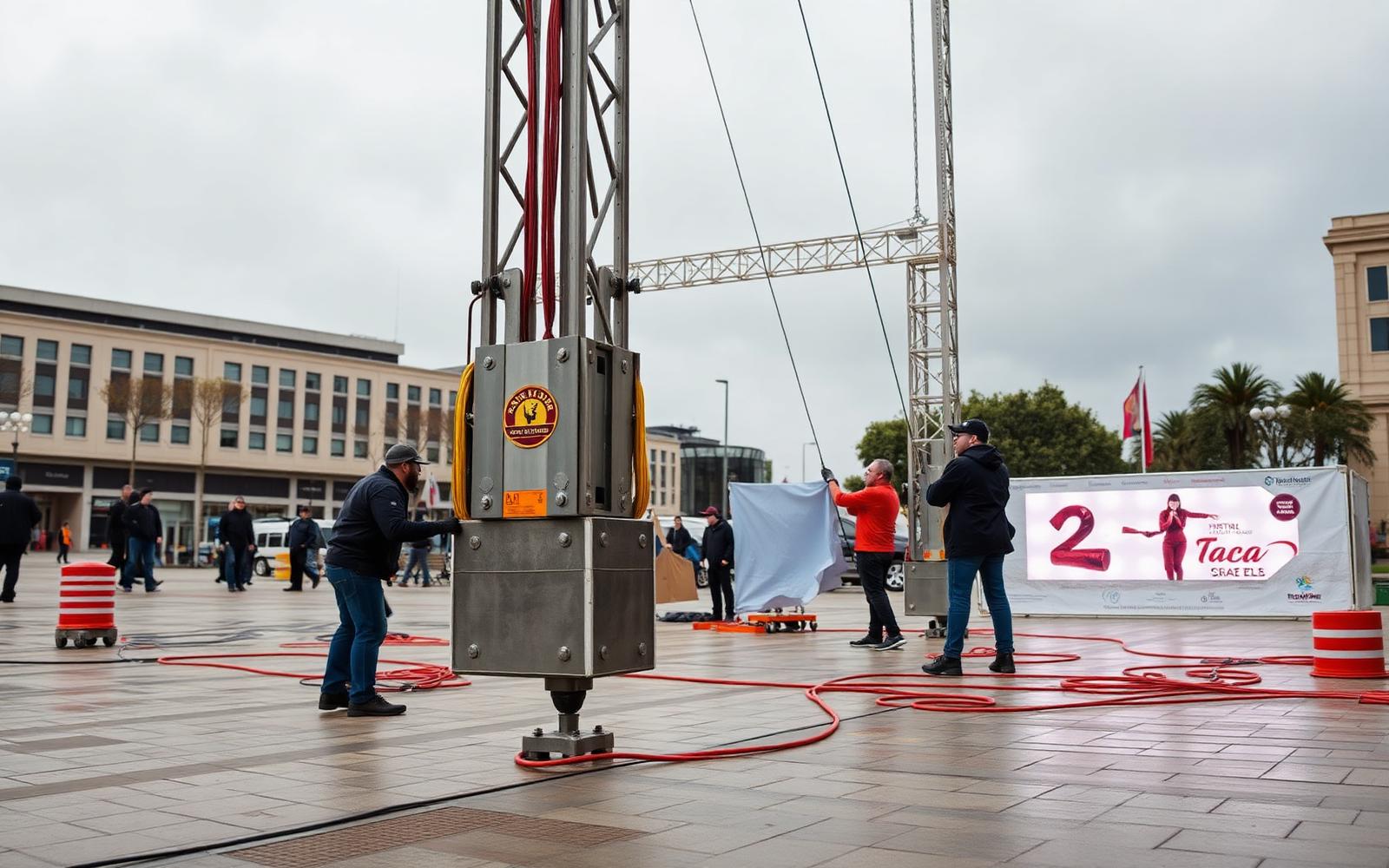
A festival footprint stays put for a weekend. A brand activation tour repeats its riskiest moments — erecting a structure, loading a tour vehicle, sampling a product to strangers — in a new jurisdiction every few days. Underwriters price the program by asking whether the crew's controls are actually repeatable at that pace, or whether the clean first stop was a one-off. The class code itself is unusually unstable for experiential work: a single tour can touch general liability, commercial auto, inland marine, liquor liability, and personal and advertising injury inside one production schedule, and a carrier comfortable with a static trade-show booth is often not comfortable with the same booth erected and struck forty times in forty cities. The agency-brand relationship compounds the underwriting question, because the master services agreement usually decides who is the named insured and who rides as additional insured, and a program built around the wrong party's paper can leave the brand exposed even when the agency's own limits look adequate on paper. Weather adds a second layer entirely absent from an indoor showroom: a canopy or inflatable rated for a 25 mph gust in a wind tunnel test behaves differently on an exposed plaza between two high-rises, and the wind action plan has to reflect the specific site, not a manufacturer's generic spec sheet.