
50,000+ Events Insured
String lights and a long dinner table set for a warm evening backyard birthday celebration, glasses catching the last light
EV / 41 · Weddings & private events

Private Party Insurance

A milestone birthday in the backyard, a 40th-anniversary dinner at a rented hall, an engagement party with a hired bartender and a DJ — the moment a private celebration involves vendors, alcohol, or a venue contract, it has stepped outside what a homeowners or renters policy was built to cover. Private party insurance is the one-day policy that closes that gap for the date of the event.

  • Host liquor liability vs. licensed bartender arrangements
  • Venue certificate of insurance and additional-insured wording
  • Rented-premises property damage above the security deposit
  • Valet, minors-and-alcohol, and entertainment vendor exposure

The underwriting problem

A homeowners policy is priced for the ordinary, unplanned risk of living in a house — not for the concentrated, scheduled risk of eighty people, an open bar, a rented tent, and a hired DJ all converging on one Saturday night.

Underwriters read a hosted private party the same way they read any short-duration, high-density gathering: the loss potential is compressed into a few hours, the guest list is larger and less familiar than a normal household visit, and there is usually alcohol involved. None of that is unusual or reckless — it is simply a different risk profile than the homeowners form was rated for, and most homeowners carriers say so explicitly in the policy's business-pursuits and event exclusions. The fix is not trying to talk a homeowners adjuster into covering a claim after the fact; it is placing a short-term private event liability policy before the date, built specifically for a single evening's guest count, bar setup, and vendor list, so the host is not relying on a policy that was never underwritten for the exposure in the first place.

Typical host GL limit requested by venues
$1M per occurrence / $2M aggregate
Most common uninsured gap
Host-supplied alcohol without a liquor liability endorsement
Second most common gap
Hired inflatable or valet with no vendor certificate on file

Exposure map

Where a private party's liability actually sits

Four exposures account for the overwhelming majority of private-party claims and coverage disputes. Understanding which one applies to your event determines what to buy and what to ask vendors for.

The homeowners policy gap

A standard homeowners or renters policy is written to cover the household's own occasional, non-commercial gatherings — not a scheduled party for 80 people with a rented tent, a hired DJ, and a cash bar. The moment the event looks planned and promoted rather than incidental, several carriers reserve the right to deny the claim entirely.

  • Most HO-3 and HO-5 forms cap 'business pursuits' and event-related liability sublimits well below what a serious injury claim would require
  • Liquor liability is frequently excluded outright from homeowners forms, regardless of the umbrella sitting above it
  • A carrier can point to invitations, a rented tent permit, or a paid vendor contract as evidence the event exceeded 'personal use'
Host liquor liability

When the host supplies alcohol at no charge — an open bar at a 50th birthday, a champagne toast at an engagement party — the exposure sits with the host under most states' social host liability statutes, not with a licensed server, because there is no license in the chain of custody.

  • Roughly two-thirds of states recognize some form of social host liability for serving a minor or a visibly intoxicated guest
  • A single-limit dram shop exclusion on a general liability form does not automatically exclude host liquor liability endorsed separately
  • Underwriters ask directly: is alcohol being sold, served by a licensed bartender, or simply set out self-serve

Licensed bartender vs. self-serve bar

A contracted, licensed, and insured bartending service shifts a meaningful share of the liquor exposure onto that vendor's own liquor liability policy and creates a documented chain of ID checks and cutoffs — a self-serve bar or a well-meaning friend pouring drinks leaves that entire chain with the host.

  • Licensed bartenders typically carry their own liquor liability policy naming the host as additional insured, which underwriters will ask to see
  • A self-serve or 'BYOB' bar removes any professional judgment call on visible intoxication, which is precisely the fact pattern insurers price hardest against
  • Some venues contractually require a licensed, TIPS-certified bartender before they will allow alcohol on premises at all

Venue certificate and additional-insured demands

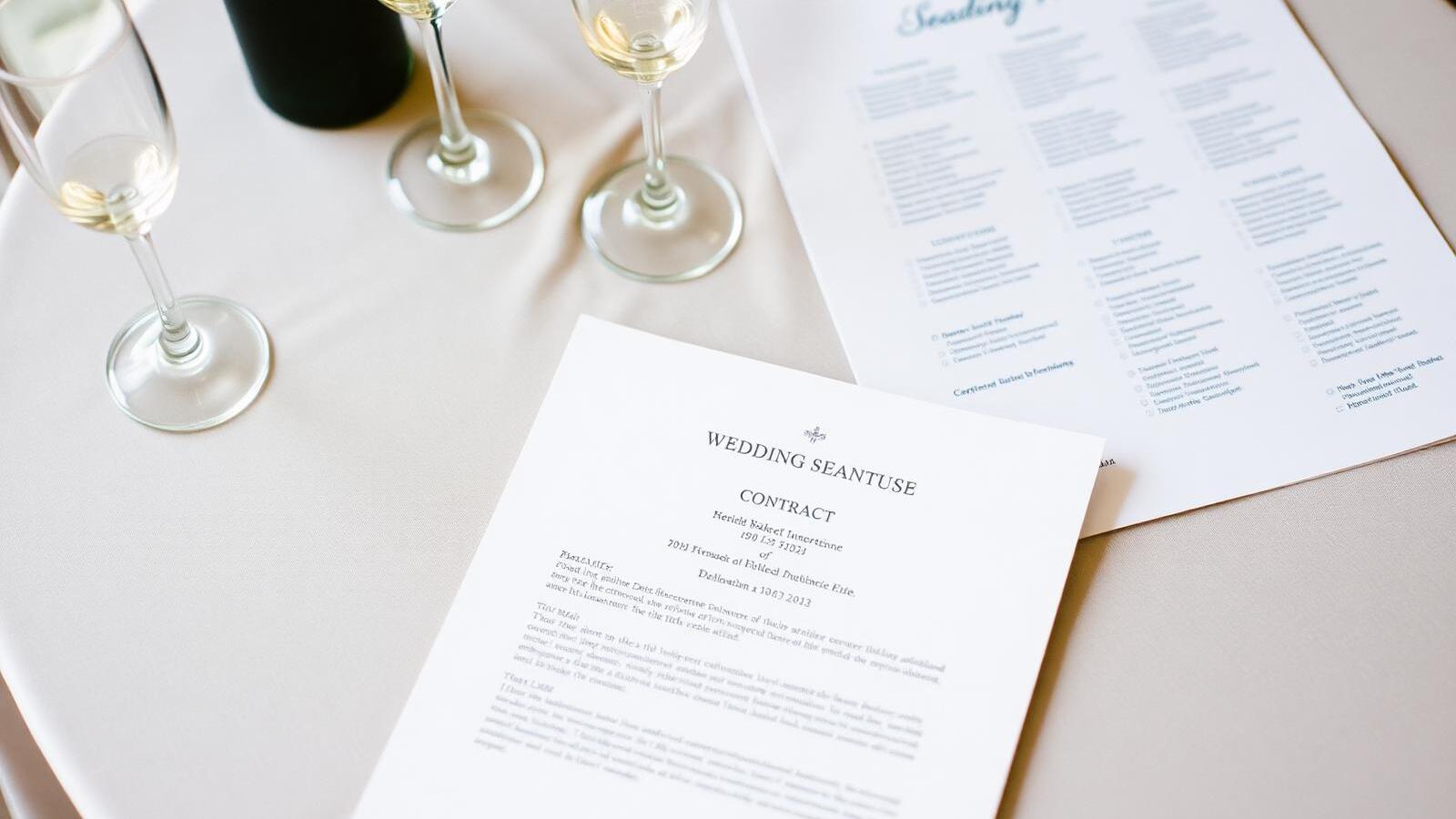
Nearly every rented banquet hall, clubhouse, event barn, or hotel ballroom requires a certificate of insurance naming the venue as an additional insured before it will hand over keys, and the exact wording of that endorsement is what actually protects the venue — not just the certificate itself.

  • Venues typically require $1,000,000 per occurrence / $2,000,000 aggregate general liability limits as a baseline condition of the rental contract
  • An additional-insured endorsement, not merely a certificate listing the venue's name, is what extends real defense and indemnity to the venue
  • Many venue contracts also require host liquor liability specifically, separate from general liability, if any alcohol will be present

Entertainment, inflatables, and hired equipment

A hired DJ rig, a rented bounce house, a photo booth trailer, or a live band's own staging and lighting each shows up as an independent liability chain, and the private party policy is not a substitute for that vendor carrying its own coverage on the equipment it operates.

  • Inflatable-related falls, pinch injuries, and overcrowding inside a bounce structure are among the most frequent private-party vendor claims insurers see
  • A DJ or band's staging, truss, and lighting rigging introduces its own collapse and electrical exposure separate from the party's general liability
  • A vendor operating without its own certificate on file effectively transfers its entire equipment risk back onto the host's own limit

Damage deposits versus real property-damage exposure

A homeowner or venue-collected damage deposit is sized to cover minor cleanup, not the kind of loss a large hosted gathering can actually produce, and hosts routinely assume the deposit functions as insurance when it is simply a contractual holdback.

  • A scorched lawn from a rented fire pit or a cracked flagstone patio from heavy rental furniture regularly exceeds a typical few-hundred-dollar deposit
  • Water intrusion from an overflowing rented restroom trailer or a burst hose on a portable bar setup can produce restoration costs running into the thousands
  • Rented-premises liability coverage responds above the deposit, up to the policy's actual limit, and should be sized to the venue's likely replacement or restoration cost rather than the deposit figure alone
A caterer and a licensed bartender preparing a drinks table at a warm, softly lit evening celebration
Private party staging · evening reception
Field evidence

The bar setup, not the guest count, is what an underwriter reads first

A contracted, licensed bartender pouring drinks and checking IDs reads as a materially different exposure than a self-serve table of bottles — the same eighty-guest party can be priced two different ways depending entirely on who is behind the bar.

2/3 of states
Recognize social host liability for serving a minor or visibly intoxicated guest
$1M / $2M
Typical venue-required general liability limits for a rented hall or clubhouse
Same-day
How quickly most one-day private event policies can be bound and issued

Direct answers

What hosts ask before they book the venue

Q01

What is private party insurance?

A one-day (or short-term) general liability policy for hosted private events such as milestone birthdays, anniversaries, engagement or retirement parties, and large home or rented-venue gatherings, closing the gap that homeowners insurance leaves open once a party involves vendors, alcohol, or outside guests beyond routine personal use.

Q02

Does private party insurance cover alcohol?

General liability alone typically does not; host liquor liability is a distinct endorsement or coverage line that responds when a host who supplies alcohol (rather than a licensed, separately insured bartender) faces a claim tied to a guest's intoxication, and it should be added any time the host is serving or supplying alcohol at no charge.

Q03

Do I need a private event policy if the venue already has its own insurance?

Yes — a venue's own policy protects the venue's business operations, not the host's liability for their own guests, vendors, and activities, and almost every venue rental contract requires the host to bring a separate certificate of insurance naming the venue as an additional insured before the date of the event.

Underwriting

Six factors that set the price

Underwriting factorWhy it mattersHow it can change appetite
Alcohol arrangement — hosted, cash bar, or self-serveWho controls the pour, and whether a licensed server can refuse a visibly intoxicated guest, drives the single largest swing in claim severity at private parties.A licensed, insured bartending service naming the host as additional insured is the clearest credit; a self-serve or BYOB bar typically requires host liquor liability at a meaningfully higher premium.
Guest count and venue typeA 200-person estate gathering with a rented dance floor carries different crowd-density and slip/fall exposure than a 25-person dinner in a private dining room.Guest counts above roughly 100–150 or events held at a rented outdoor venue often trigger the venue's own minimum GL limit requirement, which sets the policy floor.
Presence of minors at an alcohol-served eventUnderage service is the fact pattern most likely to produce both a criminal citation and a civil social host claim simultaneously.A documented ID-check and wristband process at check-in, run by the bartending vendor rather than family members, supports broader appetite.
Rented premises and property-damage exposureA fire pit scorch mark, a stained hardwood floor, or a torn tent stake hole in a golf course lawn are common claims that a small damage deposit does not come close to covering.Rented-premises liability at a limit matched to the venue's replacement or restoration cost, not just the deposit amount, is what actually closes this gap.
Hired vendors — valet, inflatables, DJ, photo boothEach vendor introduces its own liability chain; an uninsured valet or inflatable operator leaves the host holding the full claim if that vendor has no coverage of its own.Certificates of insurance collected from every paid vendor before the event date, naming the host as additional insured where the vendor operates on-site, narrows this considerably.
Valet and hired/non-owned autoThe moment anyone other than the guest is moving the guest's car — a valet, a parking attendant, a friend directing traffic — an auto liability exposure exists that a general liability policy alone does not cover.A licensed, insured valet company with its own garagekeepers and auto liability coverage is standard; hired/non-owned auto coverage on the host's own policy is the fallback where no such vendor is used.

Coverage

How the program is actually built

Special event general liability

Third-party bodily injury and property damage arising from the event itself — a guest's slip on a wet dance floor, a collapsed rental table, a fall near an unlit walkway.

Confirm the limit matches the venue's contractual minimum before binding

Host liquor liability

Responds to claims tied to a guest's intoxication where the host supplied the alcohol, distinct from any coverage the licensed bartender vendor carries independently.

Damage to rented premises / property damage liability

Covers liability for damage the host causes to the rented venue, clubhouse, or hall beyond what the refundable security deposit will absorb.

Hired and non-owned auto liability

Extends coverage to valet or parking-attendant operations conducted on the host's behalf, where those attendants are not the host's own employees.

Medical payments to others

A modest, no-fault sublimit that pays a guest's immediate medical bills after a minor injury, regardless of who was at fault — often the fastest way to prevent a small incident from becoming a liability claim.

Event cancellation (optional add-on)

Reimburses non-refundable deposits and vendor payments if the event is cancelled for a covered reason such as venue closure or severe weather.

Contracts

Who actually asks for what, layer by layer

  1. Layer 01

    The rented venue (hall, clubhouse, barn, hotel ballroom)

    Typically asks for
    A certificate of insurance showing general liability limits meeting the venue's minimum, with the venue named as additional insured on the endorsement page, submitted a set number of days before the event.
    Where it goes wrong
    A certificate that shows the limit but is missing the actual additional-insured endorsement leaves the venue unprotected in a dispute, even though the paperwork looked complete at drop-off.
  2. Layer 02

    The licensed bartending or catering vendor

    Typically asks for
    Their own liquor liability and general liability certificates, naming the host as additional insured, plus proof of any state or local alcohol-service permit required for the event.
    Where it goes wrong
    Hosts often assume the caterer's food-service insurance automatically extends to alcohol service — it typically does not unless liquor liability is specifically listed on that vendor's certificate.
  3. Layer 03

    The inflatable, entertainment, or photo-booth vendor

    Typically asks for
    A certificate of insurance covering the equipment's operation, with the host named as additional insured for the hours the equipment is on-site.
    Where it goes wrong
    A bounce house or mechanical ride operated by an uninsured vendor, or set up by the host without the operator present, is one of the fastest ways to convert a party into an uninsured injury claim.
  4. Layer 04

    The valet or parking service

    Typically asks for
    Garagekeepers legal liability and commercial auto liability certificates, naming the host as additional insured for any damage or injury connected to moving or parking guest vehicles.
    Where it goes wrong
    A friend or unlicensed teenager parking cars as a favor carries no commercial auto coverage at all, which pushes the full liability for a fender-bender or a struck pedestrian back onto the host.
  5. Layer 05

    The homeowner or estate owner, if the party is at a private residence

    Typically asks for
    Written confirmation from the homeowners carrier (or the event policy binder itself) that the scheduled gathering, tent, and any vendors are disclosed and separately insured for the date.
    Where it goes wrong
    Failing to disclose a large, vendor-supported party to the homeowners carrier can jeopardize the underlying homeowners policy's standing entirely if a claim later reveals undisclosed commercial activity on the property.

Controls

Where the exposure actually gets managed

Hazard

A guest is over-served and causes an injury on the way home.

Control

Contracted licensed bartender with ID checks and a documented last-call cutoff, plus rideshare vouchers or a designated-driver plan announced at the event.

Hazard

A minor is served alcohol at a family celebration.

Control

Wristband or color-coded check-in system run by the bartending vendor, not family members, with alcohol physically separated from any area minors are expected to occupy.

Hazard

A guest slips on a wet dance floor or trips on an unmarked tent stake.

Control

Walkway lighting, non-slip flooring or matting on any temporary dance surface, and stake/cable covers at every tent anchor point.

Hazard

A rented venue's floor, wall, or landscaping is damaged during setup or teardown.

Control

A pre-event walkthrough with the venue manager documenting existing condition, plus vendor load-in protocols that keep heavy equipment off finished flooring.

Hazard

An inflatable or mechanical ride causes a fall or collision.

Control

Operator-staffed equipment only, age and weight limits enforced at the entrance, and a certificate of insurance collected from the vendor before setup begins.

Hazard

A valet or parking attendant damages a guest's vehicle or strikes a pedestrian.

Control

Licensed, insured valet company with garagekeepers coverage, clearly marked pedestrian lanes, and a documented vehicle-condition check-in process.

Comparison

Licensed bartender vs. self-serve bar

Option A

Self-serve or BYOB bar

Host or family members set out alcohol; no professional judgment on cutoffs

  • No license in the chain of custody, so host liquor liability carries the full exposure
  • No ID-check or visible-intoxication assessment made by a trained server
  • Lower vendor cost but the highest-severity fact pattern for underwriters
  • Host liquor liability endorsement becomes close to mandatory, not optional

Option B

Licensed, insured bartender

Contracted vendor pours, checks ID, and enforces cutoffs under their own policy

  • Vendor's own liquor liability policy typically names the host as additional insured
  • Documented ID-check and cutoff process shifts professional judgment to a trained server
  • Often required outright by rented venues before alcohol is permitted on-site
  • Host liquor liability limit still recommended as a backstop for any host-supplied alcohol

Timeline

From venue deposit to event night

60–90 days out

Venue contract signed

Read the venue's insurance requirement line closely — most specify exact GL limits and require the additional-insured endorsement, not just a certificate, submitted by a set deadline.

30–60 days out

Vendors booked

Request certificates of insurance from the bartender, caterer, DJ, inflatable operator, and valet as each contract is signed, rather than chasing all of them the week before.

1–3 weeks out

Private event policy bound

Submit the guest count, alcohol arrangement, venue name, and vendor list; most one-day private event policies bind within a day once that information is complete.

3–7 days out

Certificates delivered to the venue

Confirm the venue has actually received and accepted the certificate and endorsement — a late or rejected certificate can delay access to the space on the day of the event.

Day of, before guests arrive

Final walkthrough

Photograph the venue's existing condition, confirm every vendor present has their certificate on file, and verify the bartender has ID-check materials and a cutoff plan in place.

Within 24–72 hours

Post-event

Report any incident, injury, or property damage promptly even if it seems minor — most policies require prompt notice, and a documented near-miss is far easier to defend than a claim reported weeks later.

Submission

What gets a private party quote issued fastest

014 items

The event basics

  • Event date, start and end time, and address (private residence, clubhouse, banquet hall, or rented estate)
  • Expected guest count and whether the celebration is indoors, outdoors, or a tented setup
  • Type of occasion (birthday, anniversary, engagement, retirement) and honoree's age if a milestone birthday
  • Venue's insurance requirement page or rental contract, if the party is not at a private residence

024 items

Alcohol and minors

  • Whether alcohol will be served, sold, or self-serve, and by whom
  • Name and insurance certificate of the licensed bartending vendor, if contracted
  • Whether minors will be present at any point alcohol is being served
  • Any state or local one-day alcohol permit obtained, if alcohol is being sold rather than hosted

034 items

Vendors and activities

  • List of hired vendors — caterer, DJ or band, photo booth, inflatable or amusement rental, valet
  • Certificates of insurance collected from each vendor operating equipment on-site
  • Any planned activities carrying elevated risk — fireworks, open flame, fire pit, live entertainment with staging
  • Confirmation of the homeowners carrier's awareness, if the event is at a private residence with vendors on-site

FAQ

Private party questions we hear most

Will my homeowners insurance cover a big birthday or anniversary party at my house?

Usually not once the party looks planned rather than an ordinary family gathering — a rented tent, a paid DJ, a hired bartender, or an open bar are all facts a homeowners carrier can point to when denying a claim, because most HO-3 and HO-5 forms treat hosted events with vendors and alcohol as outside routine personal use. A one-day private event policy is written specifically to close that gap for the date of the party without touching your homeowners policy at all.

Do I need host liquor liability if I'm just serving wine and champagne, not running a full bar?

Yes — social host liability in most states does not turn on how much alcohol is served, it turns on whether the host provided alcohol to a guest who was later visibly intoxicated or a guest under 21, and a champagne toast or a few bottles of wine on the table still counts as the host providing alcohol. Host liquor liability coverage is inexpensive relative to the exposure and is the single most commonly requested endorsement on a private party policy.

If I hire a licensed bartender, do I still need my own liquor liability coverage?

In most cases, yes, alongside the bartender's own policy. A licensed, insured bartending service should carry liquor liability naming you as an additional insured, which shifts real responsibility to that vendor's professional judgment on cutting guests off — but many venues and underwriters still expect the host to carry a baseline host liquor liability limit as a backstop, particularly for any alcohol the host supplies separately from the bar (welcome drinks, favors, a stocked cooler).

What is the difference between a damage deposit and property damage coverage?

A damage deposit is a refundable sum the venue or homeowner holds against you and typically caps at a few hundred to a couple thousand dollars, which rarely covers real damage — a burned patch of lawn from a fire pit, a cracked marble floor from a dropped chafing dish, or water damage from an overflowing rented restroom trailer can run well past that deposit. Rented-premises or property-damage liability coverage on a private event policy responds above and beyond the deposit, up to the policy's actual limit.

Does a private event policy cover a bounce house, inflatable, or hired DJ?

The event policy's general liability extends to injuries arising from equipment and entertainment you contract for, but the inflatable or DJ vendor should also carry and provide their own certificate of insurance naming you as additional insured — running an inflatable without the operator's own liability coverage backing it up is one of the most common uninsured gaps at private parties, since inflatable-related falls and collisions are a frequent claim category.

What happens if my party gets rained out or the venue cancels on me?

That is a separate coverage — event cancellation — from the liability coverage discussed above, and it is optional but worth adding for a large-deposit party. It reimburses non-refundable deposits and vendor payments if the event cannot happen due to a covered reason such as venue closure, severe weather that makes the site unsafe, or a sudden illness of the honoree, though it typically excludes voluntary postponement or a simple change of mind.

Does the policy cover damage my guests cause, not just injuries to them?

Yes — the general liability portion of a private event policy responds to third-party property damage as well as bodily injury, so a guest who knocks over a rented sculpture, spills red wine across a venue's white sofa, or backs a car into a fence during valet service is covered up to the policy limit, subject to the usual exclusions for intentional acts. This is separate from, and broader than, the rented-premises damage coverage that applies specifically to the venue structure itself.

My caterer says their insurance covers the whole event — is that enough?

Almost never on its own. A caterer's certificate typically protects the caterer's own food-preparation and service operations, not the host's liability for the guest list, the venue contract, the bar, or any other vendor on-site. Hosts who rely solely on a caterer's certificate discover the gap only when a claim falls outside the caterer's specific scope of work, such as a fall near the dance floor the caterer never touched.

Next step

Send the guest count, the bar plan, and the vendor list

Those three facts are what actually move a private party quote. Tell us the venue, whether alcohol is hosted or self-serve, and who's bartending, and we'll tell you exactly which limits and endorsements the venue and your homeowners carrier will expect to see.

General information about how private party and hosted-event liability coverage is commonly structured. Social host liability statutes, venue contract requirements, and alcohol-permit rules vary by state and municipality. Not legal advice; nothing here confirms coverage.

Private Party Insurance | Eventure Insurance