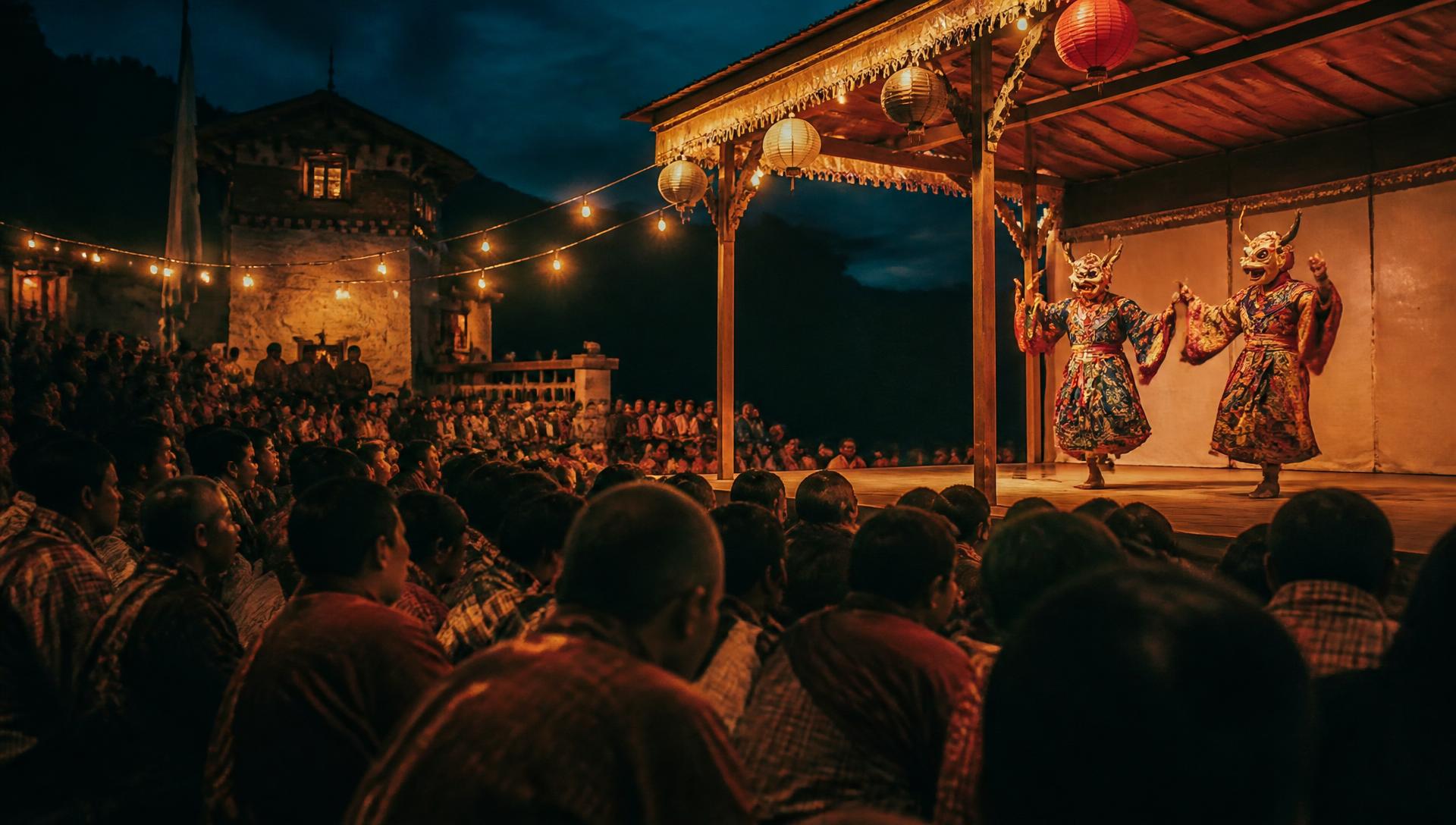
Cultural Festival Insurance
A parade permit on file, a torch procession no one disclosed, a volunteer kitchen serving a dish nobody has a health permit for, and a dance troupe that flew in from three time zones away — a cultural festival is five separate exposures wearing one program cover.
- 01
Street procession and public road-closure exposure
- 02
Ceremonial fire, torches, and lantern elements
- 03
Volunteer-run food booths without health permits
- 04
Visiting international performers and their coverage evidence
The underwriting problem
A heritage festival is not one risk — it is a procession, a stage program, a kitchen, and a guest list of visiting performers, each rated by a different part of the carrier's book.
Cultural festivals earn their character from exactly the elements a generic special-event form was not built around: a costumed procession moving down a public street, a ceremonial flame or lantern release that reads as decorative but underwrites as an open-flame exposure, a row of volunteer-staffed food booths cooking dishes passed down rather than permitted, and performers who may have flown in from another country with no domestic coverage at all. None of that is disqualifying on its own. What is disqualifying is treating the festival as a single line item on a submission instead of naming each of these components so the carrier can price them individually — a street-closure permit here, a fire-watch plan there, a foreign-performer endorsement for the visiting troupe. The organizers who bind coverage fastest are the ones who hand the underwriter a component list, not a paragraph description of a 'community event.' The reason this matters more for a cultural festival than for a generic street event is that so much of what makes the celebration meaningful — inherited recipes cooked outdoors, artifacts carried across generations, a flame lit in a specific ceremonial sequence — sits outside the categories a standard event application was written to capture, and a committee that assumes 'it's just tradition' rather than 'it's an open flame' or 'it's an uninspected kitchen' is the committee that finds out the hard way what was and was not disclosed.
- Most common gap
- Ceremonial flame or lantern element left off the submission
- Fastest carrier blocker
- No signed municipal permit for the procession route
- Quietest exposure
- Volunteer food booth cooking without a health department permit
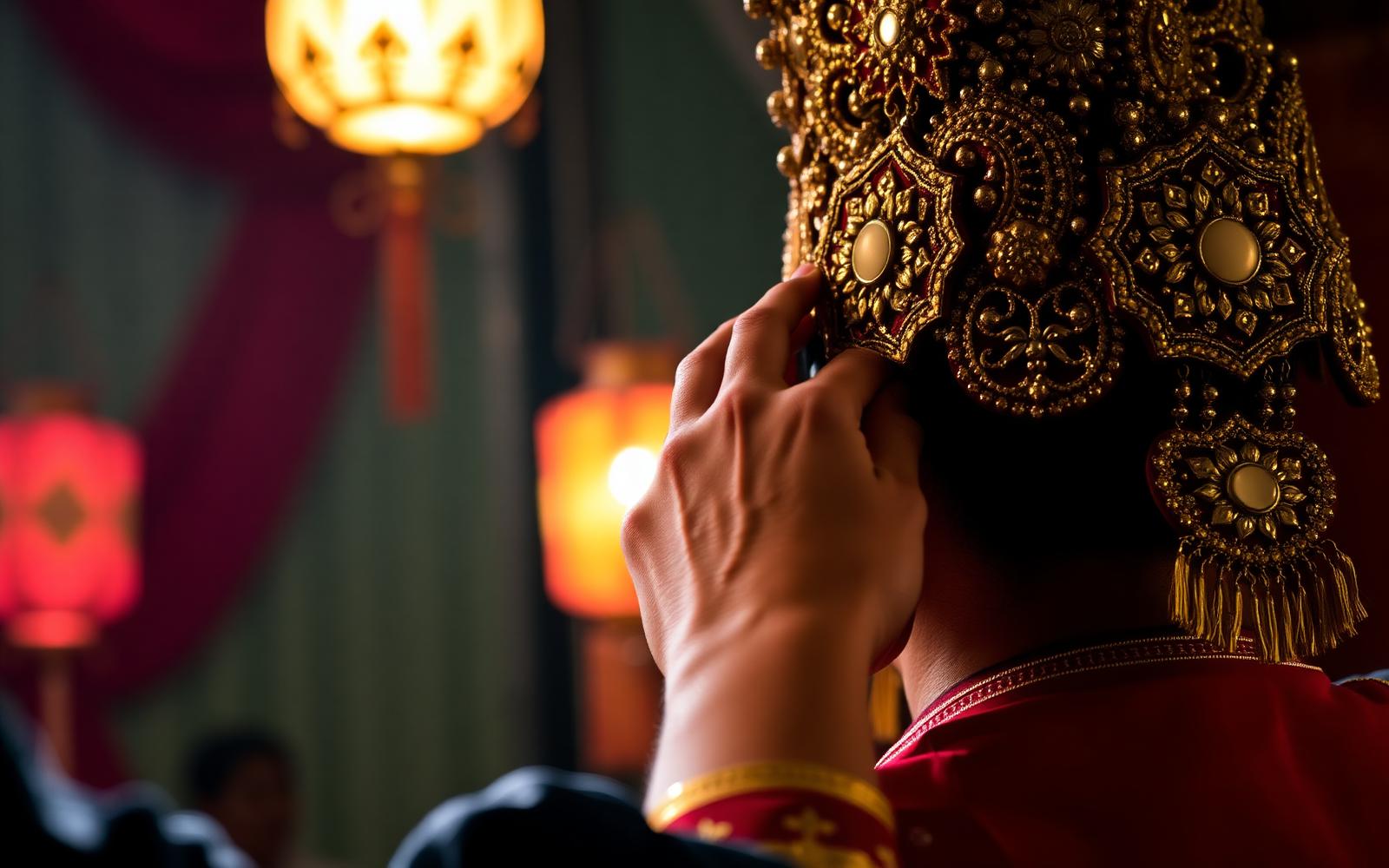
The costume rack is a property schedule, not a prop closet
Hand-embroidered costumes, ceremonial artifacts, and instruments carried by visiting performers often exceed the value organizers assume, and most are irreplaceable rather than merely expensive.
- 3–5
- Distinct exposures inside a typical single heritage festival
- 1
- Signed road-closure permit required before the procession is quotable
- $0
- Domestic coverage most visiting foreign performers arrive with
Direct answers
What festival committees and cultural boards ask us
What is cultural festival insurance?
Event liability coverage built for heritage, ethnic, and cultural celebrations — parades, live performance stages, ceremonial fire or lantern elements, volunteer-run food booths, and visiting performers — that a standard nonprofit general liability or D&O policy does not anticipate or rate for.
Who typically buys it?
Cultural associations, heritage nonprofits, sister-city committees, faith and community organizations, and municipal cultural affairs offices that organize an annual or one-time public festival involving a procession, stage program, and community food service.
What decides whether the account is easy or hard to place?
Whether the parade route has a signed municipal permit, whether any open flame is disclosed with a containment and fire-watch plan, whether volunteer food booths hold health permits, and whether visiting international performers carry or are added to coverage — undisclosed versions of any of these are the top decline drivers.
How far ahead should a cultural festival committee start the insurance process?
Three to six months ahead of the event, and earlier if the procession requires a municipal road-closure permit or visiting performers need travel and coverage arrangements confirmed before booking flights. Permits and foreign-performer evidence both take longer to assemble than the underwriting itself.
Site
The festival footprint, read as an exposure chain
Procession route
Costumed marchers, dancers, and floats move through public streets, requiring a municipal road-closure permit and a marshal plan.
- Signed road-closure permit
- Marshal-to-marcher ratio documented
- Barricade and crossing-guard plan
Performance stage
Live dance and music programs bring rigging, amplified sound, and a crowd gathering close to a raised platform.
- Stage and rigging inspection
- Performer certificates collected
- Crowd barrier at stage front
Ceremonial fire / lantern element
Torches, a closing bonfire, or a lantern release are decorative in appearance but underwrite as an open-flame exposure.
- Fuel type and containment disclosed
- Fire marshal sign-off obtained
- Standby extinguisher or fire watch staffed
Volunteer food booths
Community-cooked traditional dishes are prepared and served by volunteers who may not hold individual food-handler credentials.
- Health department permit per booth
- Signed food-safety acknowledgment from each volunteer
- Temperature-log spot checks
Visiting international performers
Dance troupes, musicians, or artisans traveling from abroad typically arrive with no coverage that responds in the United States.
- Foreign performer coverage evidence collected
- Group added as scheduled performers on the COI
- Artifact and costume values declared
Glossary
The words on a heritage festival's certificate
- Inbound performer endorsement
- An extension of the event policy, or a standalone policy, that provides liability and sometimes accident coverage for performers traveling from abroad whose home-country coverage does not respond to a claim in the United States.
- Scheduled property
- Property listed individually, with its own declared value, rather than lumped into a single blanket estimate. Ceremonial artifacts and costumes are almost always better protected scheduled than blanketed.
- Fire watch
- A person or team assigned specifically to monitor an open-flame element — a torch procession, bonfire, or lantern release — with the authority and equipment to intervene immediately if the flame behaves unexpectedly.
- Additional insured — municipal authority
- A status extending the festival's liability coverage to the city, county, or park department issuing the permit, so a claim naming the public entity is defended under the festival's policy rather than the municipality's own program.
- Force majeure
- Contract language excusing performance — including a performer's appearance — for events beyond a party's control. It defines who bears the cost of a cancellation and interacts directly with any non-appearance coverage purchased.
- Named insured
- The specific legal entity the policy is written to protect. For a volunteer-run heritage festival, this is usually the sponsoring nonprofit or association, not the informal committee name used in flyers and permits.
Process
From committee vote to a bound certificate
4–6 months out
Route and program confirmed
The procession route, stage program, and any open-flame element are set, and the municipal permit application is filed with the insurance schedule attached.
3–4 months out
Performer and vendor outreach
Visiting performer groups are confirmed and coverage evidence is requested, and volunteer food booths are registered against a health-permit checklist.
6–8 weeks out
Submission and quote
The full file — permit, fire plan, performer list, and artifact schedule — is submitted, and terms are issued once each component is documented.
2–4 weeks out
Bind and certificate distribution
Coverage binds, and certificates naming the municipality, venue, and any host organization are issued ahead of final festival-day logistics.
Underwriting
Seven facts that set your rate
| Underwriting factor | Why it matters | How it can change appetite |
|---|---|---|
| Procession or parade component | A moving crowd on a public street with vehicles, floats, or animals is a different exposure than a fenced festival footprint. | A signed municipal road-closure permit with a named route and marshal plan is close to a prerequisite for a quote. |
| Open flame or lantern element | Torches, bonfires, and lantern releases carry burn and structure-fire exposure disproportionate to their visual footprint. | Fire marshal sign-off, a containment plan, and a staffed fire watch move the account from decline territory to quotable. |
| Volunteer food service model | Community-cooked dishes served by untrained volunteers raise food-borne illness exposure the organizer, not the cook, usually answers for. | Health permits per booth and a signed food-safety acknowledgment from each volunteer materially improve the risk. |
| Visiting performer origin | International troupes rarely carry coverage that responds domestically, and travel logistics add its own exposure. | Foreign event or inbound performer coverage evidence, scheduled by name, is the standard fix. |
| Costume, instrument, and artifact values | Hand-made regalia and ceremonial objects are frequently irreplaceable and underinsured by organizers who never itemize them. | A declared property schedule with per-item values supports an inland marine add-on instead of a blanket, undervalued estimate. |
| Expected attendance and crowd density | Street festivals draw pedestrian crowds that are harder to count and control than a ticketed, fenced event. | A documented crowd-management plan with staffed choke points supports broader limits at a given headcount. |
| Organizing entity's structure | An informal committee with no legal entity complicates who is named insured and who signs the permit and contracts. | A registered nonprofit or association as the named insured, with a designated event chair, cleans up the submission considerably. |
Coverage
The program, layer by layer
Special event general liability
Third-party bodily injury and property damage across the procession route, stage area, and food booths, dated to the festival.
Confirm limits match the municipal permit's minimum
Liquor liability
Covers beer and wine sales or service common at heritage festivals, structured around whoever holds the permit to pour.
Foreign event / inbound performer endorsement
Extends liability and, where purchased, accident coverage to visiting international dance, music, or artisan groups performing at the festival.
Inland marine — costumes, instruments, artifacts
Scheduled property coverage for embroidered regalia, ceremonial objects, and instruments carried by performers, valued individually rather than lumped together.
Additional insured & waiver of subrogation
Extends coverage to the municipality issuing the street-closure permit and any host venue or park department.
Event cancellation / weather
Recovers deposits and non-refundable costs if the festival is cancelled or postponed for a covered reason, including a headline performer's non-appearance.
Excess/umbrella over the event policy
Standard once attendance, a procession on public streets, or an open-flame element pushes the account past a modest, single-block festival.
Loss control
Controls that change the price
Hazard
Procession crowd spills past barricades into traffic or vendor rows.
Control
Signed road-closure permit, a marshal-to-marcher ratio, and staffed barricade or crossing points at every intersection.
Hazard
Ceremonial torch, bonfire, or lantern release ignites nearby structures or costumes.
Control
Fire marshal sign-off, disclosed fuel type and containment plan, and a staffed fire watch with extinguishers at hand.
Hazard
Volunteer food booth serves a dish that causes food-borne illness.
Control
Health department permit per booth, temperature-log spot checks, and a signed food-safety acknowledgment from every volunteer cook.
Hazard
Visiting international performer is injured with no domestic coverage in place.
Control
Foreign event or inbound performer endorsement bound before travel, with the group scheduled by name on the certificate.
Hazard
Costumes, instruments, or ceremonial artifacts are lost, stolen, or damaged.
Control
A declared, itemized property schedule with per-item values and a secured storage or check-in plan backstage.
Hazard
A live animal in the procession spooks in a crowded street and injures a spectator or handler.
Control
An experienced handler, a documented temperament history, and a barrier setback distance enforced along the entire animal's segment of the route.
Hazard
An uninsured sponsor tent or promotional booth along the route causes an injury.
Control
Every third-party booth added to the site plan with its own certificate naming the festival as additional insured before setup begins.
Submission
The submission that gets quoted first
014 items
The festival
- Event date, footprint map, and whether the procession uses public streets
- Signed municipal road-closure or park-use permit, if applicable
- Expected attendance and crowd-management plan
- Organizing entity's legal name, nonprofit status, and event chair
024 items
Fire, food, and performers
- Description of any open flame — torches, bonfire, or lantern release — with fuel type and containment plan
- List of volunteer food booths with health permit numbers
- List of visiting performers or groups, country of origin, and coverage evidence
- Itemized schedule of costume, instrument, and artifact values
034 items
Controls
- Fire marshal sign-off for any flame element
- Marshal-to-marcher ratio and barricade plan for the procession
- Signed food-safety acknowledgment from each volunteer booth
- Prior festival loss history, if any
Routing
Where your festival overlaps
Street fair insurance
The festival's primary format is a closed-street fair rather than a fenced site with a procession component.
Municipal event insurance
The festival is held on city or county property or requires a public-entity additional insured endorsement.
Foreign event insurance — single event
A visiting international performer, troupe, or artisan group needs its own coverage evidence for the trip.
Music festival insurance
The stage program is the dominant draw and the event leans toward a ticketed music festival format.
Related coverage
Explore Coverage
FAQ
Cultural festival questions
Our festival is run entirely by volunteers — do we still need commercial coverage?
Yes, and volunteer status often makes it more important, not less. A cultural association's directors and officers policy rarely extends to a public street event, and volunteer cooks, dancers, and parade marshals create the same bodily injury and food-borne illness exposure a paid crew would. Carriers ask for the organizing entity's name and confirm volunteers are scheduled as covered workers under the event policy.
Do we need a separate policy for the parade or procession portion of the festival?
Not a separate policy, but a disclosed one. The procession has to be scheduled on the same event general liability policy with its exact route, road-closure permit number, and marshal plan attached, because a moving crowd on a public street is a materially different exposure than a fenced festival footprint and carriers price it accordingly.
How does a ceremonial fire, lantern release, or torch procession affect our quote?
It moves the account into pyrotechnic-adjacent underwriting even without fireworks. Any open flame — a bonfire, ceremonial torches, floating lanterns — has to be disclosed with fuel type, containment plan, fire marshal sign-off, and a standby extinguisher or fire watch; an undisclosed flame element is one of the fastest ways a bound policy gets rescinded after a loss.
Do our visiting performers from abroad need their own insurance?
Yes, and their home coverage usually will not respond in the United States. International dance troupes, musicians, or artisans typically need a foreign event or inbound performer endorsement, or evidence of their own accident and liability coverage, before they are added to the festival's certificate of insurance as a scheduled performing group.
What happens if a food booth run by a community volunteer group gets someone sick?
Without a health permit and documented food-safety training, the claim usually lands back on the festival organizer rather than the booth's parent association, because the organizer authorized the booth to operate. That is why permit numbers and a signed food-safety acknowledgment from every volunteer booth are standard submission requirements, not optional paperwork.
Do we need to schedule ceremonial artifacts and instruments individually, or is a blanket estimate enough?
A blanket estimate is treated as guesswork and is usually the reason a claim on a damaged or stolen artifact settles for far less than the community expects. Hand-embroidered regalia, ceremonial objects, and instruments carried by visiting performers should be itemized on a declared schedule with per-item values, so the inland marine coverage actually matches what would need to be replaced or restored.
What if our festival changes route or adds a new stage after the permit is already filed?
Any change to the procession route, footprint, or program elements after the submission was underwritten has to be re-disclosed. A carrier prices the event it was told about, and a materially different route or an added open-flame element discovered only after a loss is one of the fastest ways coverage gets contested.
Are volunteer marshals and crossing guards covered the same way as paid security staff?
They can be, but only if they are scheduled on the event policy as covered workers rather than treated as informal bystanders helping out. A written marshal plan naming roles and headcounts is what lets the organizer's coverage extend to them the same way it would to a paid crew.
Our procession includes a horse-drawn float or live animals — does that add a separate exposure?
Yes, and it should be disclosed as its own line item rather than folded into the general procession description. Animals moving through a crowd-lined public street introduce spook, kick, and bolt exposure that a standard event general liability form does not automatically anticipate, and carriers typically ask for the handler's experience, the animal's temperament history, and a barrier plan keeping spectators a documented distance back from the route.
How should a multi-generational committee handle the fact that the festival has never carried formal insurance before?
A first-time submission from a festival with decades of informal history is not unusual, and carriers do not penalize the absence of a prior policy on its own — what they weigh is whether the committee can now produce the permit, the fire plan, and the food-safety documentation a formal underwriting file requires. The transition typically takes one full planning cycle, since permits, performer confirmations, and health department registrations all need to be gathered fresh rather than assumed from memory.
What happens if a sponsor or local business wants to set up a promotional tent along the procession route?
Any third-party tent, table, or activation along the route has to be added to the site plan and carry its own certificate of insurance naming the festival as an additional insured before it is allowed to operate, because an uninsured sponsor booth sitting inside the festival's permitted footprint becomes the organizer's exposure the moment something goes wrong at that booth, regardless of who actually staffed it.
Does the festival need coverage for a raffle, silent auction, or fundraising component held alongside the cultural program?
Gaming and raffle activities are regulated separately from general event liability in most states, requiring their own permit and sometimes a specific gaming liability endorsement, and a cultural festival using a raffle to fund next year's program should confirm the raffle permit and its insurance treatment are handled as a distinct submission item rather than assumed to ride along with the main event policy.
How does the festival document consent for photography and video used in grant applications or archives?
This is a media-release and privacy question rather than a liability one, but it belongs in the same planning file because grant funders and archival partners increasingly ask for proof that participants, including minors in youth dance groups, signed a media consent form — a gap here does not usually affect the insurance placement but can delay funding the festival depends on for its budget.
What if the festival wants to add a second procession or a satellite stage in a nearby park the same weekend?
Each additional site or route is a separate exposure that needs its own permit reference and site plan detail on the submission, since the carrier priced the original footprint, not a second location added afterward — a satellite stage sharing crew and equipment with the main site still needs its own crowd, fire, and structural disclosures rather than an assumed extension of the primary permit.
Do carriers treat a first-generation immigrant community festival differently than an established, decades-old cultural celebration?
No — underwriting responds to the documented controls in front of it, not the festival's age or the community's size, and a newer celebration with a clean permit, a disclosed fire plan, and registered food booths is priced on those facts exactly the same way a fifty-year tradition would be, which is why assembling that documentation early matters more than institutional history.
Should the committee budget for a walk-through inspection before the festival's insurance is finalized?
Yes — a pre-event walk-through with the fire marshal, the health inspector, and whoever is coordinating the insurance submission catches mismatches between the paper plan and the actual site faster than any document review alone, and many carriers will ask directly whether that walk-through happened before releasing final terms on a festival with an open-flame or procession component.
How far in advance should visiting performer travel be booked relative to the insurance timeline?
Coverage evidence and travel booking should move together, ideally locked at least sixty days before the festival, because international travel changes are costly to unwind and a performer group added to the certificate at the last minute leaves the organizer little room to correct a coverage gap discovered days before the event.
Send the permit, the flame plan, and the performer list
A road-closure permit, any open-flame disclosure, and your visiting performers' countries of origin are the three facts that move a cultural festival quote fastest. Send those and we will tell you where the account sits.
General information about how cultural and heritage festival placements are commonly structured. Municipal permitting, fire code compliance, food-handling permits, and foreign performer coverage requirements are jurisdiction-specific. Not legal advice; nothing here confirms coverage.