The underwriting problem
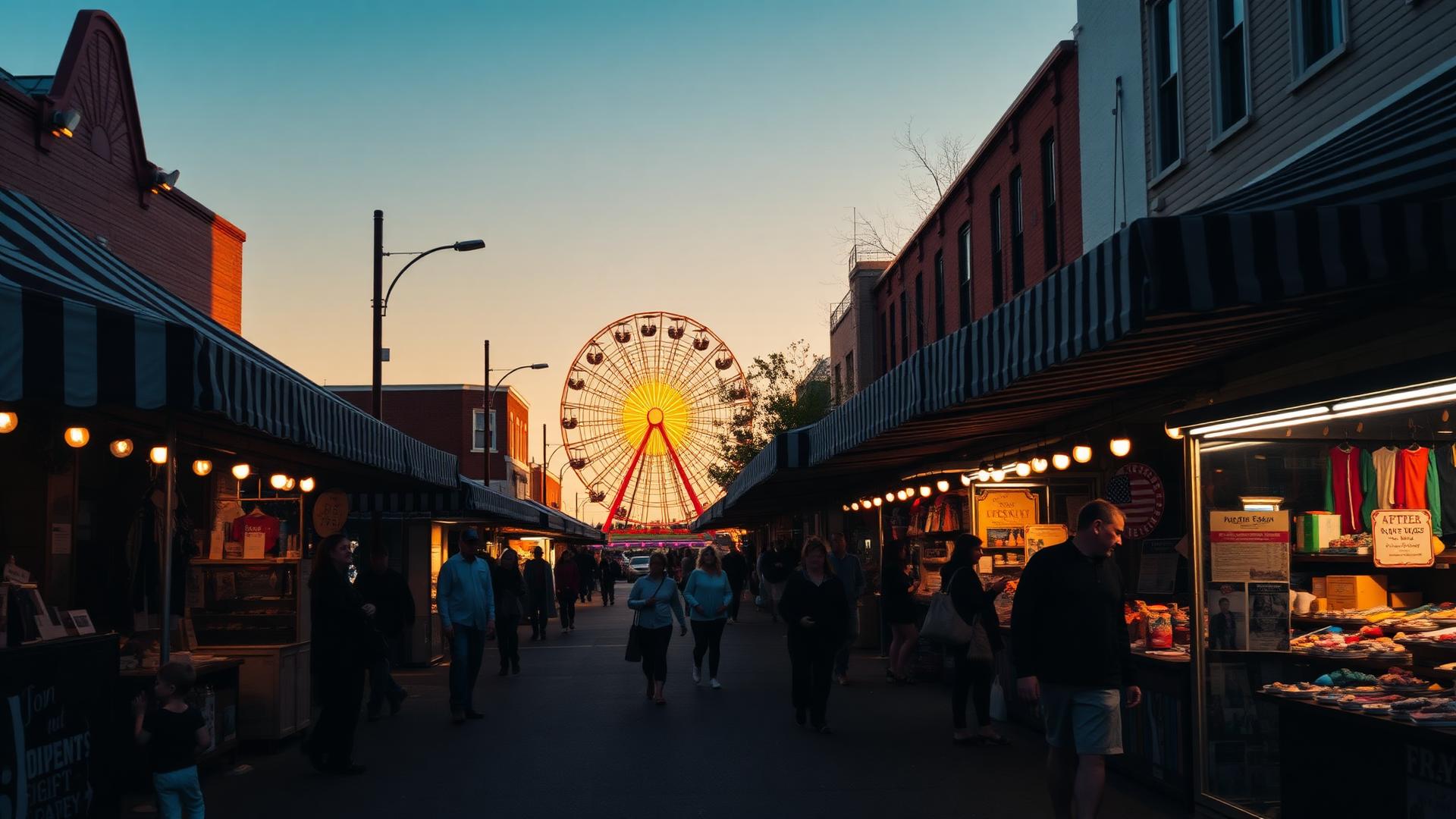
A street fair is not a venue event that happens to be outdoors — it is a temporary occupation of public infrastructure that the city remains legally responsible for, which means the municipality's permit terms, not the promoter's preferences, set the coverage structure.
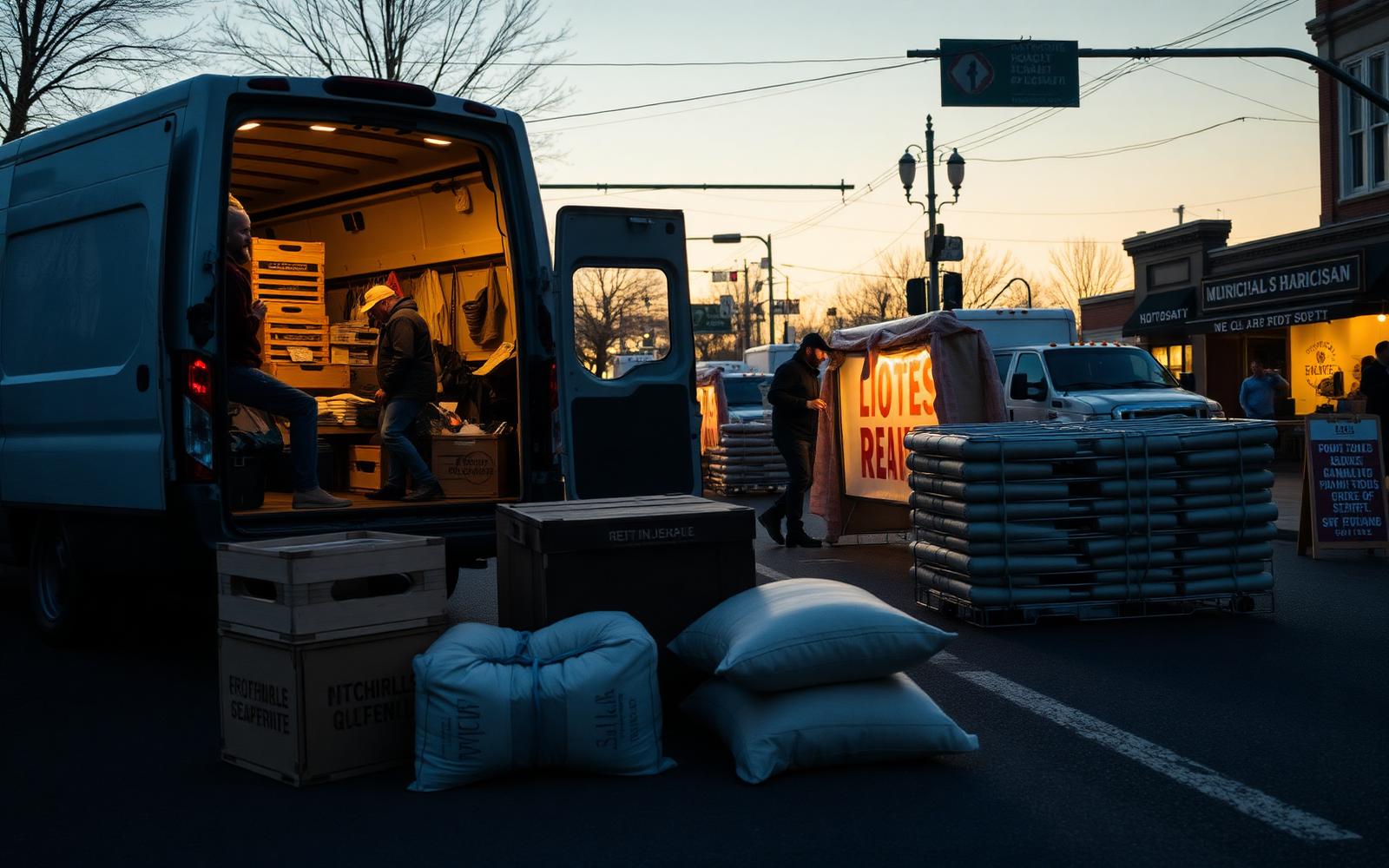
Everything downstream follows from the permit: the additional insured language the city clerk's office demands, the barricade plan the traffic engineer signs off on, and the police or flagging detail the public works department requires. A promoter who shows up with a certificate written for a rented ballroom — no public-entity endorsement, no traffic-control reference, no sidewalk-specific language — will have the certificate rejected and the closure date put at risk. The fix is building the submission around the permit exhibit first, then layering vendor, ride, and weather coverage on top of it. Recurring fairs add a second layer worth underwriting deliberately rather than assuming carries over each year. A merchant association running the same closure every spring often reuses last year's certificate template without checking whether the city's own risk-management wording changed in the interim, or whether a new adjoining property owner has come online with its own additional-insured demand. Treating each edition as a fresh submission — even where the footprint and date are identical to the year before — is what keeps a long-running fair's loss history clean and its renewal terms improving instead of resetting to a first-time-event review every time a clerical detail slips.