No. Aircraft hull and aviation liability sit with each aircraft's owner or operator, under aviation policies written on aviation forms. The organizer's event general liability covers the ground: spectators, parking, concessions, structures, and the event's own operations. Most standard GL forms contain an aircraft exclusion that makes this split mandatory rather than optional.
Requirements vary by airport, sponsor, and the type of flying. Performers and demonstration operators are commonly asked for substantially higher aviation liability limits than static display owners, with the organizer, airport sponsor, and municipality named as additional insureds and a waiver of subrogation in place.
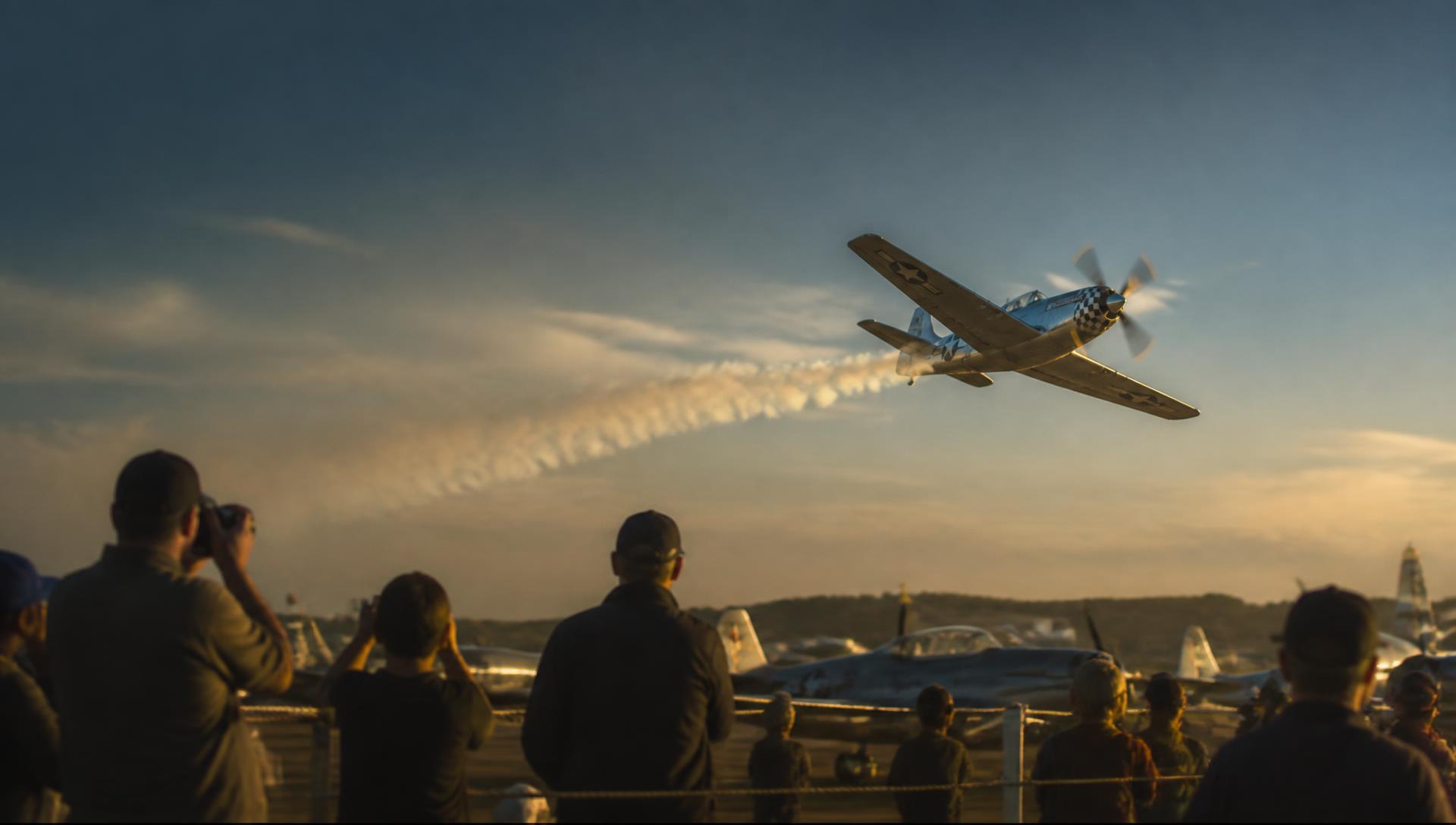
The crowd line is the boundary beyond which spectators may not pass, set at a distance from the show line based on the type of flying being performed. FAA waiver conditions and industry practice define these separations, and enforcing them is the organizer's direct responsibility — which makes crowd line control the single most examined operational item in the submission.
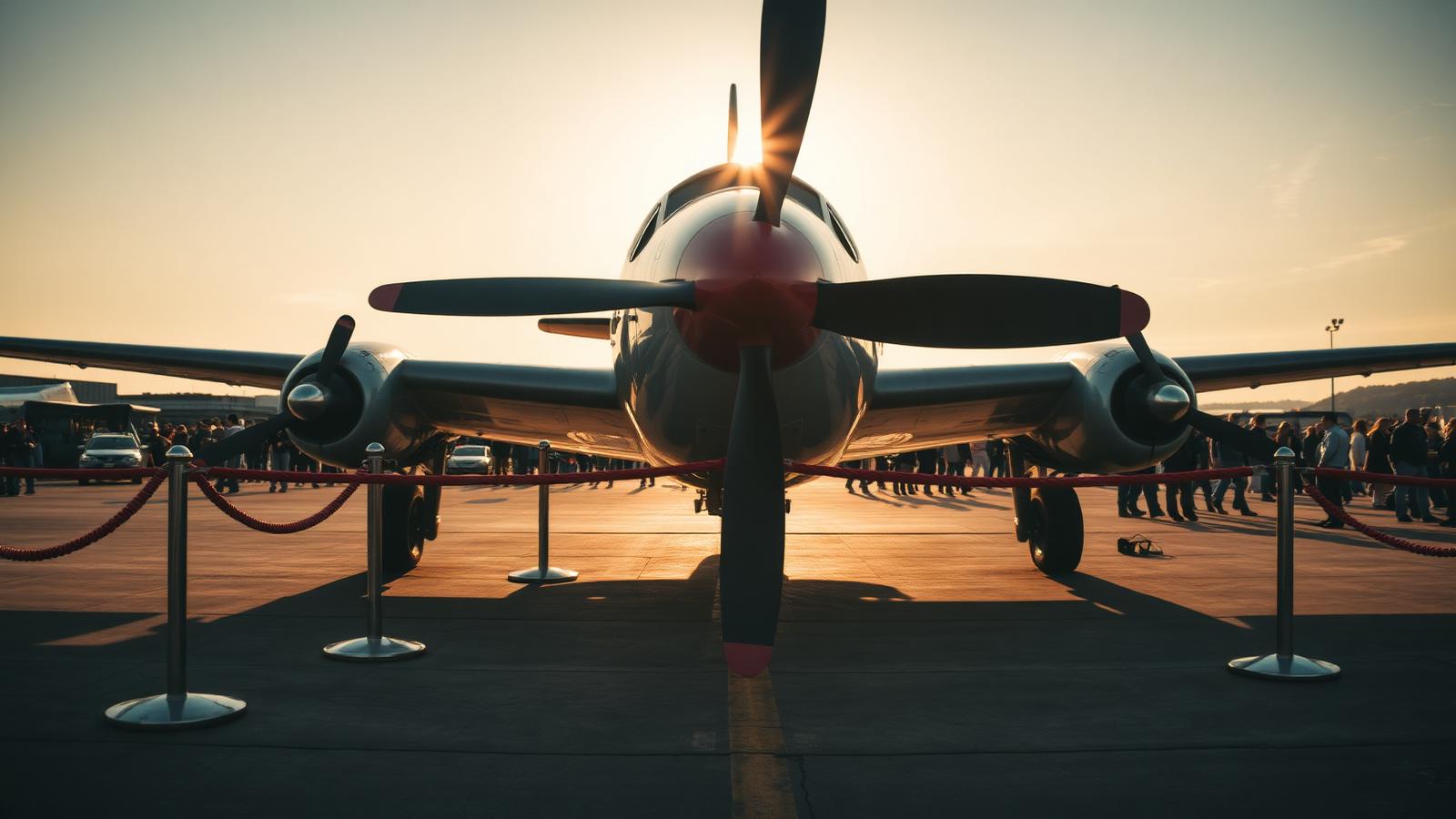
Different, not lower. Static displays put the public within arm's reach of propellers, hot exhausts, pitot tubes, and open cockpits, with children climbing on airframes. Frequency is far higher than flying-display claims even though severity is lower.
Unmanned aircraft are treated as aviation exposure, need their own liability, and require their own FAA authorisation. Media drones filming the event are a common blind spot: they are frequently engaged by the marketing team without any insurance review.
No. A fly-in or open day with parked aircraft and no aerial display removes the show-line, crowd-line-setback, and air-boss questions entirely, and is generally underwritten closer to a standard outdoor event with an unusual set of exhibits. Introducing even a single aerobatic pass or formation flyby moves the file back into full airshow territory.
That is an aviation-to-aviation exposure between the two aircraft's own policies, not something the organizer's ground liability responds to. It is one reason organizers require every participating aircraft, moving or static, to carry its own aviation liability rather than relying on a blanket assumption that the event policy fills the gap.
Most organizers begin the authorisation and safety-organization process four to six months before the show date, since the waiver conditions — crowd line setback, aerobatic box boundaries, and the air boss's documented authority — are exactly what the insurance placement is priced against. Starting the insurance conversation before the waiver is finalized usually means re-quoting once the real geometry is set.
Ground liability, volunteer accident, and structures generally continue to apply on a scrubbed day since the event footprint is still standing and staffed, even without flying. Event cancellation coverage is the piece that actually responds to lost revenue and fixed costs from a scrub, which is why it is priced and bound as its own line rather than assumed inside the liability program.
Often higher scrutiny, not lower. Older airframes can carry limited parts availability and different maintenance histories, and some aviation underwriters price vintage and warbird operators separately from modern type-certificated demonstration aircraft. Organizers should confirm each performer's aviation liability explicitly names the aircraft type being flown, not just the operator.
Reduced visibility for both pilots and ground crew changes the risk calculus on crowd line enforcement, static display lighting, and parking egress. A twilight or night program typically requires a lit crowd line, illuminated static display access paths, and a written low-light ground marshalling plan beyond what a daytime show needs.
The airport sponsor's liability covers the airfield's own premises and infrastructure exposure separate from the event, and the organizer's policy typically names the sponsor as additional insured for event-specific claims. Confusing the two, or assuming the sponsor's standing coverage extends automatically to an event day, is a common gap organizers are asked to close before terms are offered.