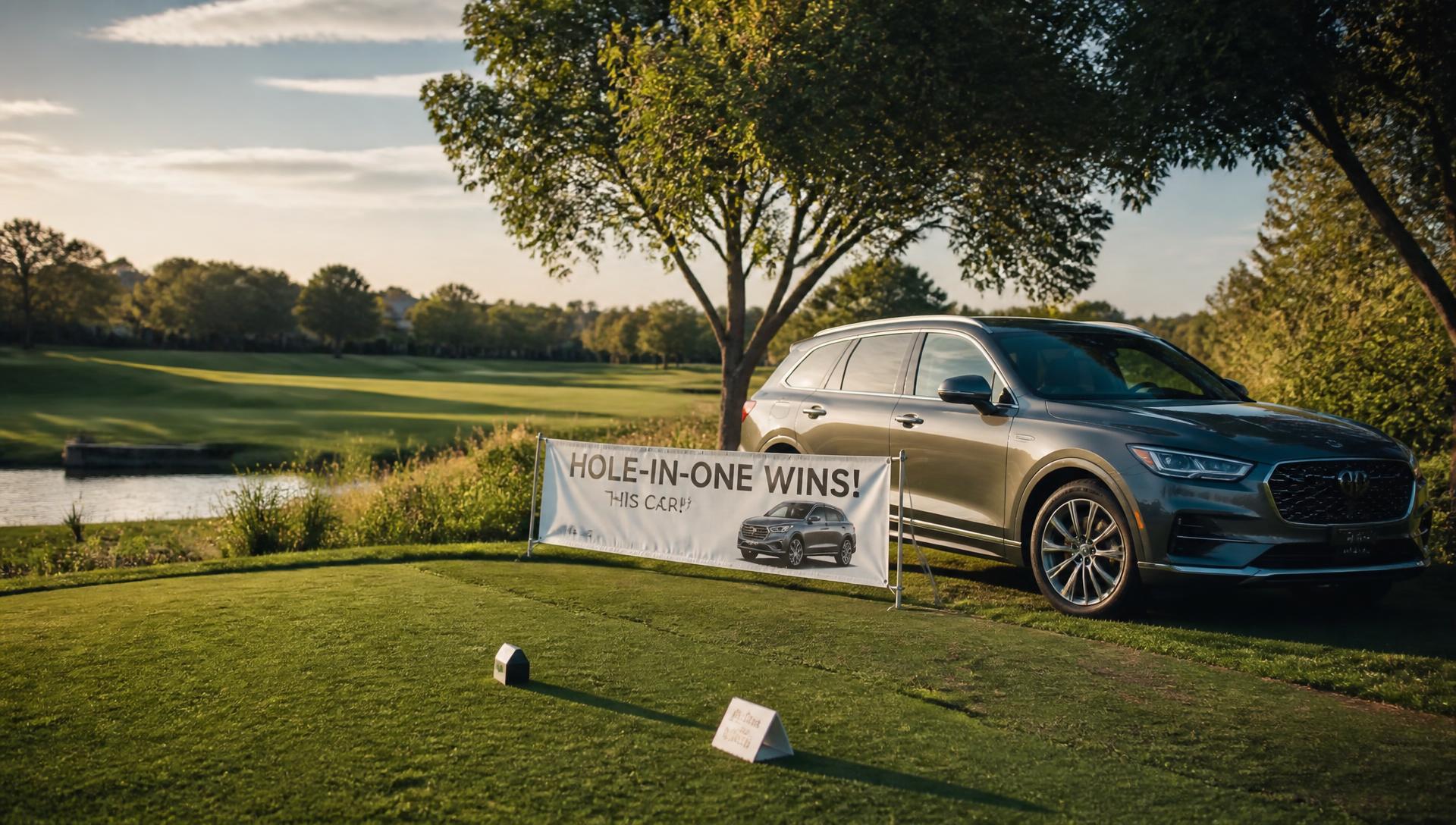
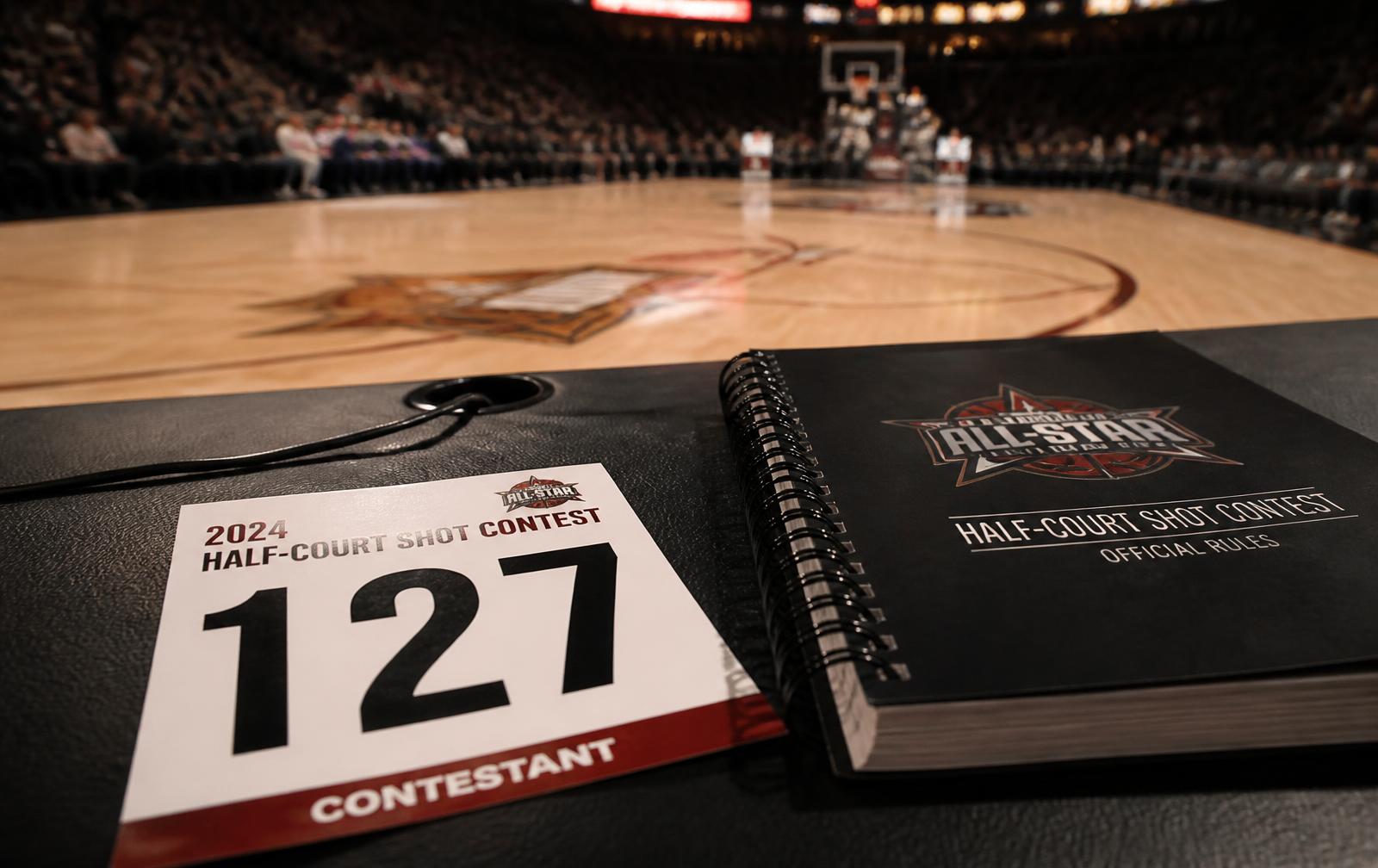
It pays the stated prize — a car, a cash jackpot, a vacation package, a bag of gold coins — if a contestant successfully completes a defined feat of skill or chance during a specified promotion. The insurer is not indemnifying the sponsor for a lawsuit; it is indemnifying the sponsor for the cost of the prize itself, which is why the policy reads more like a wager priced on odds than a liability contract priced on exposure to third-party claims.
Because the loss is binary and the frequency is deceptively low until the day it isn't. A club running a single hole-in-one contest at a member outing might never pay a claim across a decade of events, which tempts organizers into treating the exposure as trivial — until a low-single-digit-handicap golfer steps up on the right day at the right hole and the sponsor owes the full prize immediately, in cash, with no premium reserve built up to fund it. Insurance exists precisely for losses that are rare per event but catastrophic per occurrence when they land, and a promotional budget is not a loss reserve.
Premium is calculated from the mathematical odds of the feat, not from the sponsor's loss history. A hole-in-one at a professionally measured 165-yard par 3 has a well-documented statistical hit rate for an amateur field, so the underwriter prices the policy as a small percentage of the prize value — commonly in the low single digits — adjusted for distance, hole conditions, and how many attempts are sold. A half-court shot, a game with a far lower average completion rate for the general public, prices differently again, and a guaranteed giveaway with no skill element at all is not insurable the same way because the odds are simply the sponsor's own choice of prize frequency.
Eligibility rules are the backbone of the policy, not paperwork. Insurers routinely exclude touring or scratch-level golfers, current or recent collegiate and professional athletes, employees of the sponsor or venue, and anyone who has previously won a similar promotion, because those contestants shift the true odds far outside the pricing model. The official rules must state these exclusions clearly, verify age and amateur status before the attempt, and the operator has to actually enforce them at registration — a policy is void or the claim is disputed if a disqualified contestant is allowed to shoot.
An independent witness — someone with no financial stake in the outcome, typically a neutral event staffer, a licensed official, or in larger promotions a bonded third-party adjudicator — must observe the attempt from a position that can confirm distance, equipment, and result. Video evidence from a fixed camera angle covering the entire attempt, from setup to result, is now close to mandatory for claims over a modest dollar threshold, because a phone clip from the crowd rarely establishes distance or an unobstructed line of sight well enough to satisfy claims review.
Yes, and you should, because attempt limits are one of the primary rating levers. A policy quoted for 150 total attempts at a single stated distance is a different mathematical bet than the same prize offered to an unlimited walk-up crowd all day, and most carriers cap the field size, require pre-registration, and charge per-attempt premium above a stated headcount. Selling more attempts than the policy discloses is one of the fastest ways to have a legitimate claim challenged.
General liability responds when someone is hurt or property is damaged and the sponsor is legally responsible for it — a golf cart collision, a slip near the tee box, a spectator hit by an errant shot. Prize indemnity responds to a completely different event: the contestant wins. No injury, no negligence, and no third party is required for a prize indemnity claim to trigger; the only question is whether the feat was completed by an eligible contestant under the stated conditions. A sponsor needs both, because one protects against harm and the other protects against success.
Sometimes, but the timeline matters far more than in most commercial lines because the underwriter still has to obtain an independent distance or difficulty measurement before binding. A course or venue that already has a recent, documented survey on file — a prior year's contest measurement, a facilities diagram with certified dimensions — can often be quoted and bound within a day or two. A first-time venue with no measurement on record needs a surveyor or qualified official scheduled on site, and rushing that step by accepting a verbal estimate instead of a written certification is the single most common reason a late-added prize is quoted at a conservative, higher rate than a properly measured one would have carried.
The official rules should already specify how simultaneous or disputed wins are resolved — commonly a stated order of attempts, a tiebreaker format, or a single designated adjudicator whose ruling is final and binding on all contestants as a condition of entry. Without that language written in advance, a sponsor is left negotiating a split or a second attempt in real time, in front of a crowd, with no contractual basis for either outcome, and the insurer's claims team will look first at whether the rules actually addressed the scenario before agreeing to any resolution the sponsor proposes after the fact.
Merchandise, vehicles, vacation packages, and other non-cash prizes are all insurable, but the sponsor should decide and disclose up front whether a winner can demand a cash-equivalent substitution instead of the physical item, because that decision changes the insurer's fulfillment obligation and, in some cases, the rating basis itself. A vehicle prize priced at manufacturer's suggested retail can create a dispute if a winner insists on the cash value of a specific trim or configuration that differs from what was actually quoted, so the official rules should state the exact make, model, and cash-equivalent ceiling before a single contestant registers.