50,000+ Events Insured
EV / 46 · Temporary & seasonal retail

Mall Kiosk Insurance

Mall management does not read your limits first. It reads the additional insured schedule, the waiver of subrogation, and whether the certificate says primary and non-contributory. Most kiosks lose opening days to wording, not price.

  • Certificates built against the license agreement exhibit
  • Products and completed operations for resellers
  • Demonstration and application exposure disclosed properly
  • Short-term seasonal and annual multi-center options
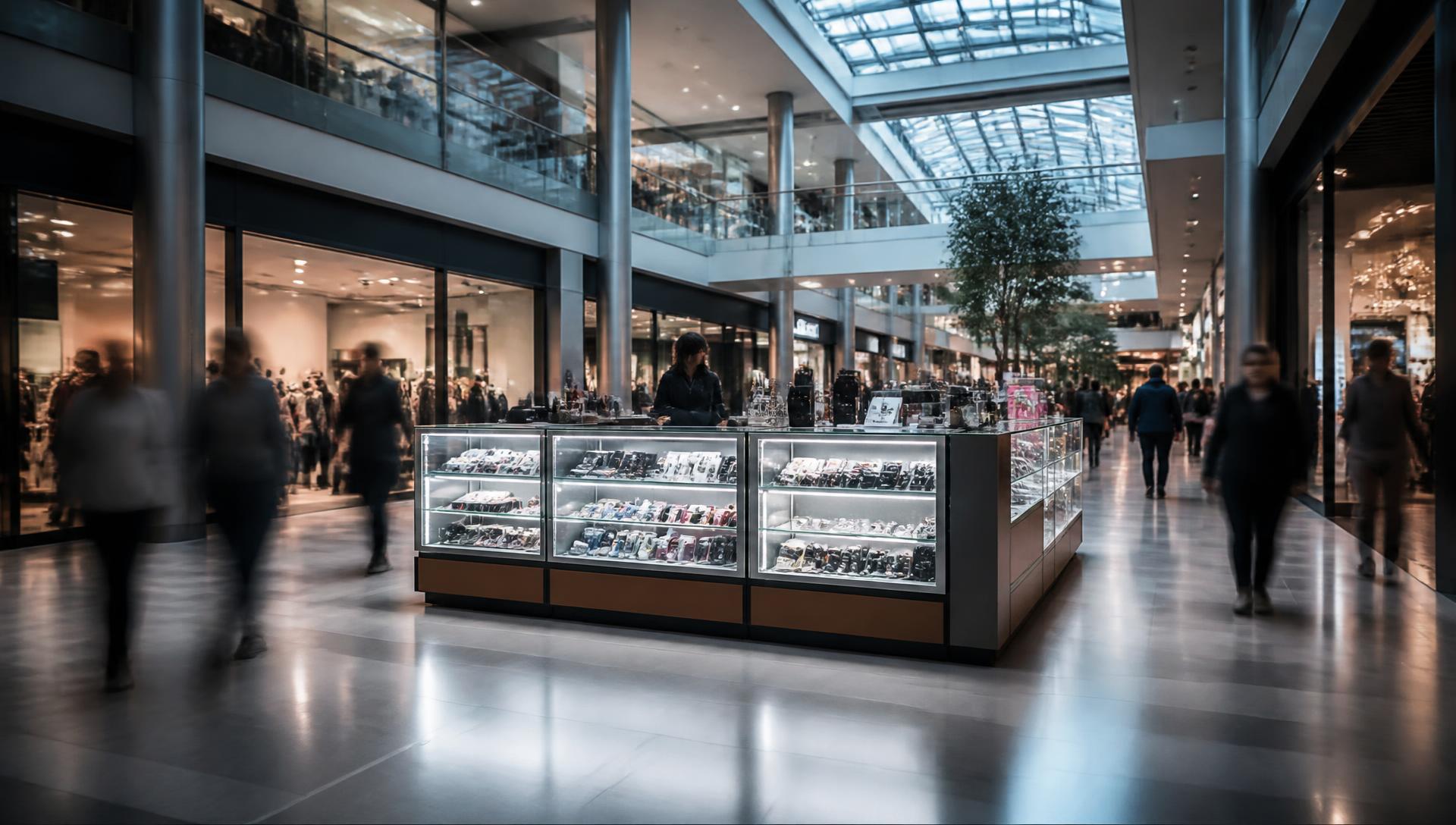
Illuminated retail kiosk on a polished mall concourse with shoppers passing on both sides

Named insureds a center demands

4

Owner, manager, REIT, and lender — by exact legal name.

The underwriting problem

A kiosk is a retail business with a landlord's contract wrapped around it, and the contract is the harder half.

Shopping-center license agreements are written to move as much risk as possible onto the temporary occupant. They name several legal entities that must appear as additional insureds, they require the tenant's policy to sit primary and non-contributory ahead of the landlord's own program, they demand a waiver of subrogation, and they frequently require products and completed operations at full limit even for a cart selling someone else's goods. Meanwhile the underwriting exposure is genuinely retail: imported merchandise with thin supply-chain coverage, a footprint in a walkway the tenant does not control, and staff who — in a growing share of kiosks — touch the customer. Getting placed quickly is mostly a documentation exercise: send the insurance exhibit, describe the merchandise honestly, and disclose any demonstration before binding rather than at claim.
Most common rejection
Certificate naming the mall's trade name, not its legal entities
Fastest appetite change
Any hands-on application or heated tool demonstration
Typical term
30–120 days seasonal, or annual across multiple centers
Field evidence

The counter is one square meter of contract risk

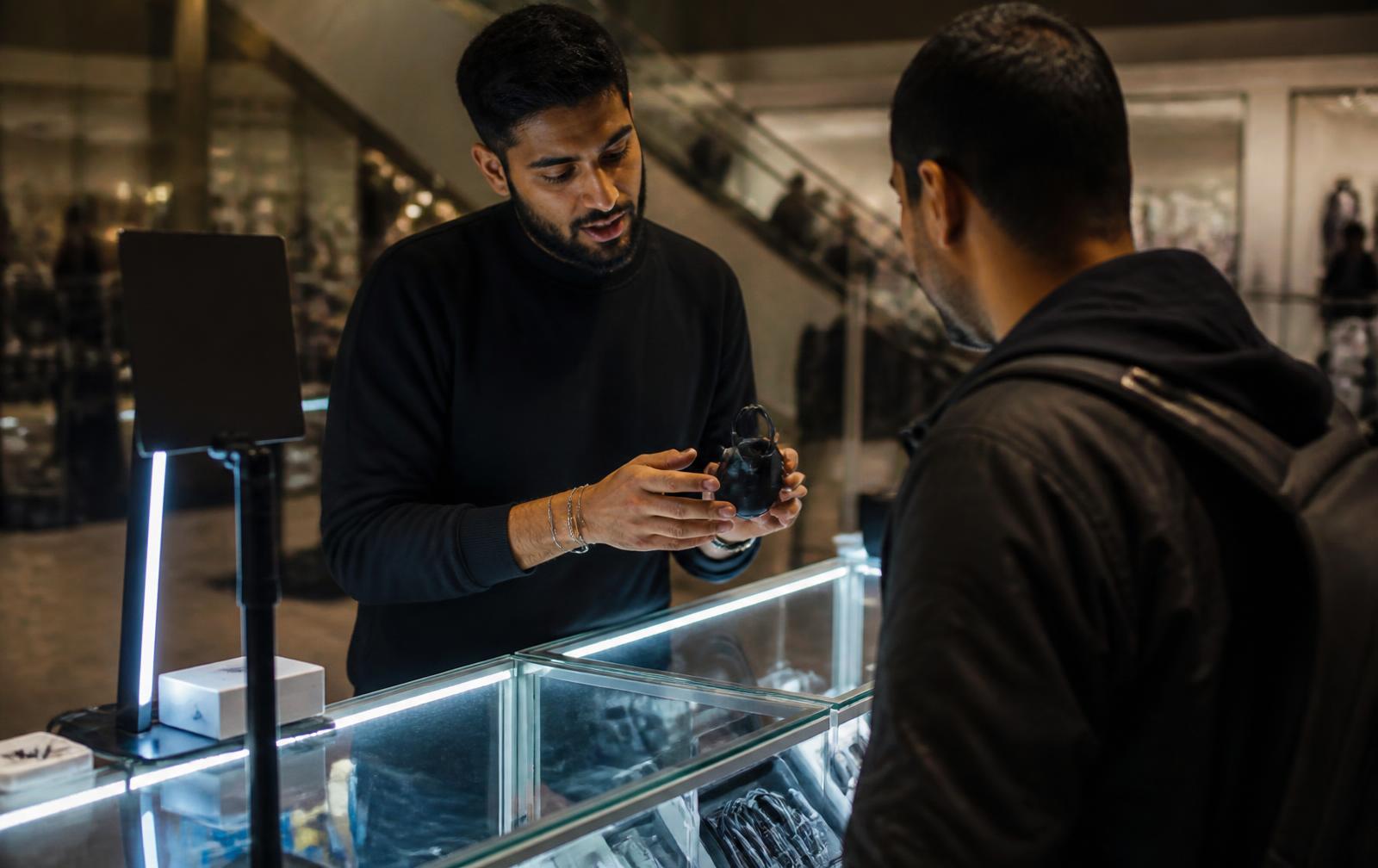
Close view of a mall cart counter with card reader, packaged inventory, and a folded license agreement
Payment data, unattended inventory, product in the customer's hand, and a license agreement that says the landlord is not responsible for any of it.Shopping center concourse · seasonal cart
$1M / $2M
Typical required occurrence and aggregate limits
$2M
Products and completed operations commonly required
3 clauses
AI, waiver of subrogation, primary and non-contributory

Direct answers

What kiosk operators ask before they sign

What is mall kiosk insurance?

A commercial general liability program written for temporary and seasonal retail kiosks, carts, and pop-ups inside a shopping center, structured to satisfy the mall license agreement's additional insured, waiver of subrogation, and primary and non-contributory requirements while covering product, demonstration, and common-area exposures.

Who needs it?

Seasonal holiday retailers, jewelry and accessory carts, phone repair and accessory kiosks, skincare and cosmetics demonstrators, calendar and gift pop-ups, and brands taking a short-term in-line space between permanent tenants.

What is the most common reason a kiosk cannot open on time?

A certificate rejected by mall management for wording rather than limits — missing entity names, no waiver of subrogation, or no primary and non-contributory language — discovered in the last week before the license start date.

Claim scenario

A patch test that was never done

A cosmetics kiosk applies a sample serum to a shopper's hand during a busy holiday weekend without asking about allergies or performing a patch test. The shopper develops a reaction within the hour and returns to the center's guest services desk, then follows up with a demand letter. The kiosk's certificate on file names the correct entities and carries the required limits, but the underlying policy is a standard retail general liability form that treats "demonstration" as an undisclosed activity, because the operator's submission described the business only as "cosmetics sales."

The claim is ultimately covered, but only after a coverage dispute that delays the response by weeks and draws the operator into a conversation about whether the application activity was material to the original underwriting. A kiosk that disclosed the demonstration up front — with a written patch-test protocol and a specific endorsement addressing hands-on application — would have moved straight to claims handling instead of a coverage argument, which is the entire reason mall license agreements and careful brokers push operators to describe what actually happens at the counter, not just what is sold there.

Glossary

Terms that show up in a license agreement's insurance exhibit

Insurance exhibit

The section of a mall license agreement spelling out required limits, endorsements, and the exact legal entities that must be named additional insured.

Named entity schedule

The list of legal names — owner, manager, lender, REIT — that a certificate must match precisely; a trade name alone is a common rejection reason.

Products and completed operations

Coverage responding to injury or damage from merchandise after it leaves the kiosk counter, required even for pure resellers of someone else's goods.

Vendor endorsement

A supplier's own liability coverage extended to a reseller, which supplements but does not replace the kiosk's own products limit.

Demonstration endorsement

A specific policy addition extending cover to hands-on application, styling, or treatment activity that a base retail form frequently excludes.

Seasonal term

A short policy period, commonly thirty to one hundred twenty days, priced for the actual holiday or promotional window rather than pro-rated from an annual.

Compare

Seasonal single-center term vs. annual multi-center program

Operators running more than one location, or returning every holiday season, usually reconsider how the policy is structured after the first year.

Option A

Seasonal single-center term

One kiosk, one center, thirty to one hundred twenty days

  • Fast to bind for a single, infrequent location
  • Certificate wording re-verified against each new license agreement
  • New underwriting conversation each season
  • No continuity of loss history from one year to the next

Option B

Annual multi-center program

One standing policy scheduling every location the operator runs

  • Certificates issued on demand as new centers are added
  • Endorsement wording standardized once across all locations
  • Better pricing once three or more locations are running
  • Single loss history simplifies each renewal conversation

Exposure

Six exposures inside a ten-foot footprint

Common-area public injury

A kiosk occupies a walkway the landlord owns, so almost every injury involves both parties and an indemnity clause.

  • Trip exposure from cart footprint, signage, and cable runs
  • Merchandise displays overhanging the licensed footprint
  • Shopper collisions during peak holiday traffic density

Product and completed operations

Kiosk merchandise is frequently imported, unbranded, or drop-shipped, which weakens the usual reliance on a manufacturer's coverage.

  • Batteries, chargers, and heated tools with fire and burn history
  • Skincare and ingestibles with reaction and labeling exposure
  • Overseas suppliers with no US-admitted liability coverage

Hands-on demonstration

The moment staff apply, style, pierce, or treat, the account stops looking like retail to an underwriter.

  • Skincare application and allergic reaction claims
  • Heated styling tools and burn exposure
  • Massage chairs and physical treatment demonstrations

Contractual transfer to the landlord

The license agreement moves risk to the tenant far more aggressively than a normal lease, and its insurance exhibit is non-negotiable.

  • Broad indemnity extending to landlord's own negligence in some states
  • Multiple named entities: owner, manager, REIT, lender
  • Primary and non-contributory plus waiver of subrogation required

Kiosk property and inventory

The fixture and its stock sit unattended overnight in a semi-public space with no lockable perimeter.

  • Overnight theft from carts secured only by soft covers
  • High-value small goods concentrated in a tiny footprint
  • Sprinkler discharge and water damage from above

Staffing and customer interaction

A cart is staffed by one or two people working commission in an open walkway, which creates employment and conduct exposure retail stores absorb inside four walls.

  • Aggressive sales approach complaints and personal injury allegations
  • Lone worker safety, cash handling, and closing procedures
  • Seasonal hires and contractor-versus-employee classification

Underwriting

What sets the rate on a kiosk account

Underwriting factorWhy it mattersHow it can change appetite
Merchandise categoryProducts drive severity: a scarf cart and a lithium-battery accessory kiosk are not the same account even at identical revenue.A clean product list with supplier names and any UL or FDA documentation keeps the account in standard markets.
Demonstration and customer contactApplying product to a person introduces bodily injury exposure that many retail forms exclude.Disclose it, describe the training, and accept a specific endorsement rather than hoping the retail form responds.
License agreement wordingThe insurance exhibit dictates limits, endorsements, and named entities, and it is not negotiable in practice.Providing the exhibit before binding produces a compliant certificate first time and avoids delayed openings.
Term and seasonalityHoliday operation concentrates the entire exposure into the highest-traffic six weeks of the retail year.Multi-center or repeat operators generally price better on an annual term than on repeated short terms.
Staffing modelSeasonal hires, subcontracted salespeople, and commission crews change both liability and workers' compensation posture.W-2 staffing with documented training beats a subcontracted sales crew with no certificates of its own.
Inventory value and securityHigh-value small goods in an unlockable cart is a theft profile, not just a property value.Nightly removal of high-value stock to a locked back-of-house area supports property terms.
Payment and data handlingCard processing at a temporary counter creates a cyber and privacy exposure the license agreement often mentions explicitly.A PCI-compliant processor and no stored card data keep a small cyber sublimit sufficient.

Operations

A season, read as an exposure chain

01

License and certificate

Management issues the agreement and will not release keys until a compliant certificate is on file.

  • Insurance exhibit sent to broker before signing
  • Exact legal entity names confirmed
  • Waiver and primary wording verified

02

Build-out and delivery

Cart, signage, and fixtures are installed overnight, usually by a third-party installer.

  • Installer certificate collected
  • Overnight work permit from management
  • Footprint kept inside licensed dimensions

03

Trading hours

Staff sell, demonstrate, and process payments in an open walkway with continuous foot traffic.

  • Demonstration protocol and patch testing
  • Clear walkway maintained at all times
  • Incident log kept at the counter

04

Overnight closure

The kiosk is covered and left in a common area monitored only by center security.

  • High-value stock removed nightly
  • Cash removed and deposited daily
  • Covers secured and electrics powered down

05

Strike and exit

The cart is removed and the space returned to the landlord in original condition.

  • Photographic condition record
  • Damage repaired before final inspection
  • Coverage kept in force through completed operations tail
Each phase of a kiosk tenancy raises a different question, and only one of them is about selling.

Coverage

How the program is actually assembled

Commercial general liability

Third-party bodily injury and property damage arising from the kiosk's operations in the common area, at the limits the license agreement specifies.

Landlord entities named additional insured

Products and completed operations

Responds when merchandise sold from the kiosk injures someone or damages property after it leaves the counter — required even for pure resellers.

Usually required at full aggregate

Demonstration / treatment endorsement

Extends cover to hands-on application, styling, or treatment performed on customers, which the base retail form frequently excludes.

Business personal property and inventory

Covers the cart, fixtures, and stock against theft, fire, sprinkler discharge, and water damage while at the center.

Theft sublimits apply to jewelry and electronics

Workers' compensation

Statutorily required for seasonal employees in nearly every state, and separately required by most license agreements.

Cyber and payment liability

A modest sublimit responding to card data compromise and privacy notification arising from counter payment processing.

Contracts

Who is asking you for what, and where it breaks

  1. Layer 01

    Mall ownership entity

    Typically asks for
    Named as additional insured by exact legal name, with primary and non-contributory wording and a waiver of subrogation.
    Where it goes wrong
    The certificate names the shopping center's public brand rather than the ownership LLC and is rejected on review.
  2. Layer 02

    Property management company

    Typically asks for
    Separate additional insured status, often alongside a lender or REIT entity listed in the exhibit.
    Where it goes wrong
    Only one of the required entities is scheduled, so the certificate has to be reissued days before opening.
  3. Layer 03

    Your suppliers

    Typically asks for
    Vendor endorsements or supplier certificates evidencing product liability behind the goods you resell.
    Where it goes wrong
    Overseas suppliers carry no US-admitted coverage, leaving your own products limit as the only real defense.
  4. Layer 04

    Fixture installer

    Typically asks for
    General liability and, where applicable, electrical licensing for overnight build-out work.
    Where it goes wrong
    An uninsured installer damages a storefront or floor and the license agreement pushes the loss to you.
  5. Layer 05

    Payment processor

    Typically asks for
    PCI-compliant processing and clear data-handling terms for card transactions at the counter.
    Where it goes wrong
    A shared tablet stores customer data locally, creating an exposure your cyber sublimit was not sized for.

Risk control

What underwriters want to see controlled

Hazard

Merchandise and signage creeping outside the licensed footprint into the walkway

Control

Mark the footprint on the floor, brief staff daily, and photograph the setup each morning as an audit record.

Hazard

Skincare or cosmetic application without any allergy screening

Control

Use a written patch-test and screening protocol, log every application, and keep ingredient sheets at the counter.

Hazard

Heated styling tools and charging batteries left unattended

Control

Auto-shutoff appliances on a timed circuit, heat mats, and a documented nightly power-down checklist.

Hazard

High-value inventory left in the cart overnight

Control

Nightly removal to a locked back-of-house safe, with a two-person count logged at open and close.

Hazard

Seasonal staff trained only on the register

Control

Run a short onboarding covering demonstration protocol, incident reporting, and walkway obstruction rules.

Hazard

License agreement obligations never mapped to the policy

Control

Send the insurance exhibit to the broker before signing so endorsements are built against the clause.

Submission

What we need from you to quote

014 items

The business

  • Legal entity name and any DBA as it should appear on the certificate
  • Years trading and prior kiosk or retail loss history
  • Projected sales for the term
  • Employee count and whether staff are W-2 or subcontracted

024 items

The space

  • Center name, unit or cart number, and license term dates
  • The license agreement's insurance exhibit in full
  • Exact legal names of every entity to be named additional insured
  • Footprint dimensions and whether the space is a cart, kiosk, or in-line unit

034 items

The merchandise

  • Complete product list with suppliers and country of origin
  • Whether any product is applied to, worn by, or ingested by customers
  • Description of any demonstration, styling, or treatment activity
  • Peak inventory value on site and overnight security arrangements

FAQ

Mall kiosk insurance questions

What limits does mall management usually require for a kiosk or cart?

Most national mall operators require $1M per occurrence and $2M general aggregate, with products and completed operations at $2M, and many specify an umbrella of $1M to $5M depending on the center and the merchandise. The number matters less than the endorsements: the license agreement almost always requires the landlord, the management company, and often a lender or REIT entity to be named as additional insureds on a primary and non-contributory basis with a waiver of subrogation.

Why was my certificate rejected when the limits were correct?

Because certificates are rejected on wording, not limits. The three most common rejections are: the additional insured schedule names only the mall's trade name instead of the exact legal entities listed in the license agreement, the certificate does not state primary and non-contributory, or the waiver of subrogation is missing. Sending us the agreement's insurance exhibit lets us build the certificate against the clause the first time.

Do I need product liability if I only resell someone else's merchandise?

Yes. A reseller sits in the chain of distribution and can be named in a product claim even when it manufactured nothing. Mall license agreements require products and completed operations coverage for that reason, and vendor endorsements from your supplier — where obtainable — supplement rather than replace your own limit.

My kiosk demonstrates products on shoppers — skincare, hair tools, massage. Does that change anything?

Substantially. Applying a product to a customer, using a heated tool, or performing any hands-on demonstration moves part of the exposure from general liability toward professional or treatment liability, and several carriers exclude it outright on a retail form. It has to be disclosed, and where the demonstration involves heat, needles, or a chemical, a specific endorsement or a different carrier is usually needed.

I only need coverage for the holiday season. Can I buy a short-term policy?

Yes. Seasonal kiosk terms of thirty to one hundred twenty days are a normal market, priced on the term rather than pro-rated from an annual. If you operate multiple centers or return every year, an annual policy usually costs less than repeated short terms and avoids re-underwriting each season.

Does the kiosk need cyber coverage if it only swipes cards through a standard reader?

A modest cyber sublimit is still worth carrying. Even a PCI-compliant card reader creates a data-handling exposure the moment a shared tablet or point-of-sale device stores customer information locally, and license agreements increasingly reference data-breach notification obligations directly, which a bare general liability policy does not address.

What if the kiosk footprint drifts outside the licensed dimensions during a busy weekend?

It is a common, avoidable exposure. Signage, racks, and staff frequently creep into the common-area walkway when foot traffic is heavy, and an injury just outside the licensed footprint can complicate a claim if the certificate and the license agreement both describe a smaller space than the one actually in use. Marking the footprint on the floor and photographing it daily keeps the paperwork and the reality aligned.

Related

Where this sits in the program

Coverage descriptions are general and illustrative. Terms, sublimits, and exclusions vary by carrier, center, and jurisdiction. Nothing on this page confirms coverage or amends any policy.

Next step

Send the insurance exhibit, not just the limits

Give us the license agreement's insurance page and your product list and we will issue a certificate management accepts the first time — usually the same business day.