It depends on who legally runs the show — a nonprofit show association, a county extension office, a breed association, or a school district running an FFA program each carry different exposure and different named-insured wording. The policy has to match the entity that signs the fairground lease and collects entry fees, not the entity that merely provides volunteers.
Generally no for the animal's property value — the exhibitor's family typically insures the animal itself. The show's liability policy responds to the show's own negligence: unsafe barn layout, an unrestrained aisle, or inadequate ring supervision, not to the animal's care or the exhibitor's personal injury absent that negligence.
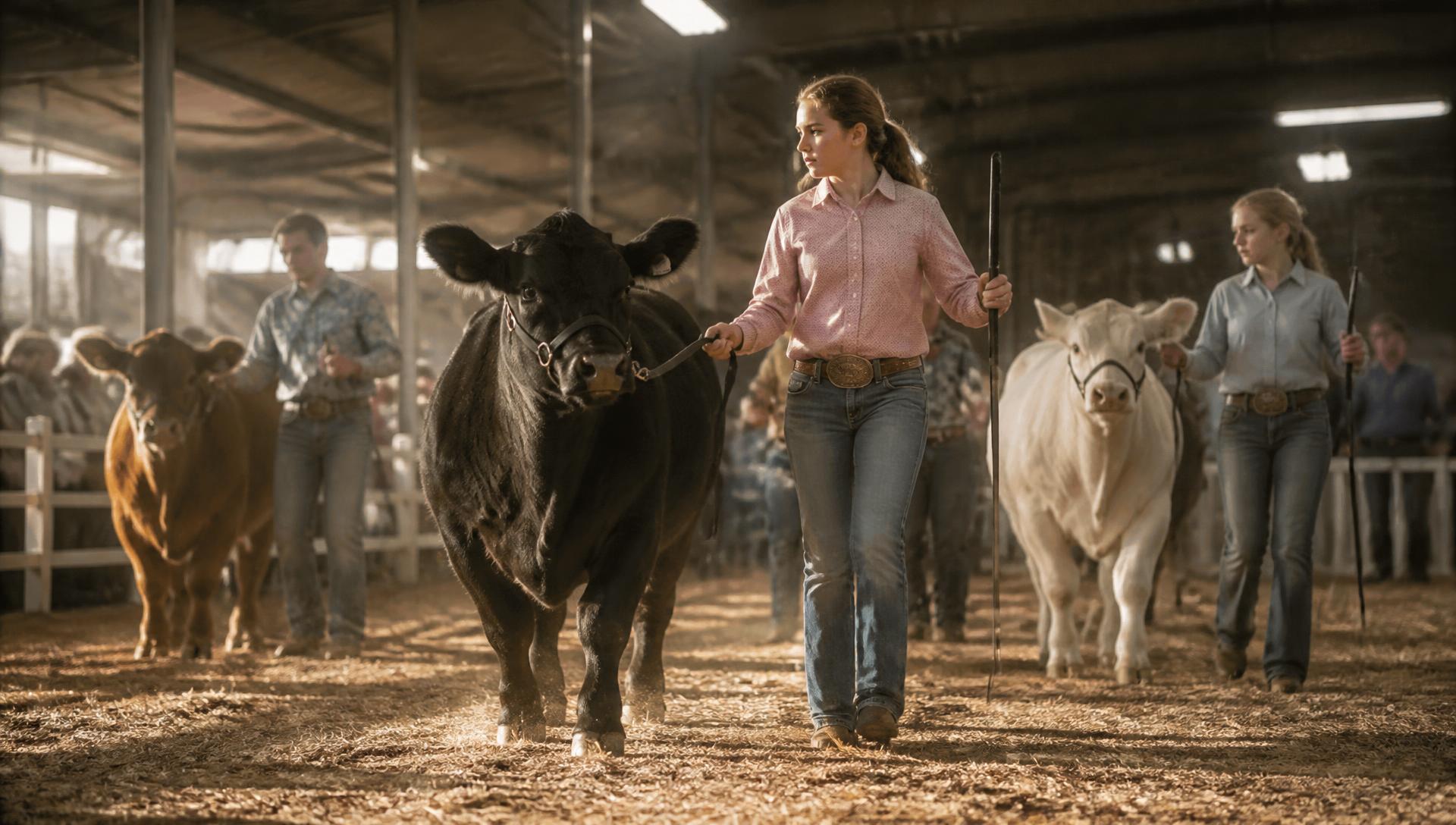
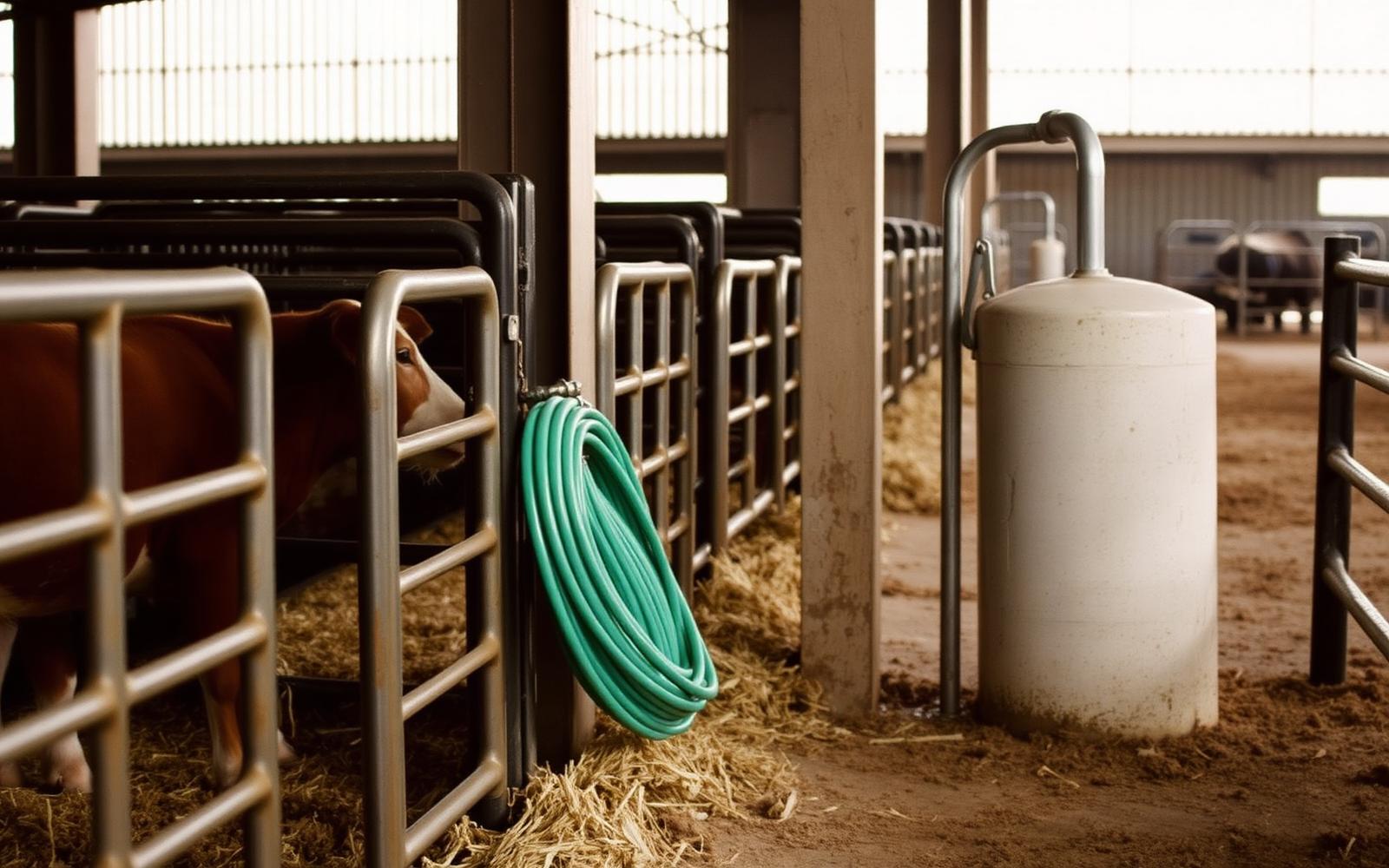
That is one of the highest-frequency claims in livestock show underwriting. A loose steer or hog in a crowded aisle is a foreseeable event the show is expected to plan for, and the absence of written escape and containment procedures — barriers, trained handlers, and a designated recapture team — is treated as a controllable gap, not bad luck.
The auction itself usually falls under the show's general liability as an extension of the event, but buyer disputes over an animal's condition, weight, or eligibility are a separate, contract-driven exposure. A clear auction agreement with buyers and sellers, reviewed alongside the liability policy, closes most of that gap.
Volunteer superintendents supervising a barn are rarely automatically covered by a school district's or extension office's general policy. A volunteer accident endorsement or explicit inclusion in the show association's policy is needed, and many state 4-H/FFA programs require it before a chapter is allowed to exhibit.
Two events sharing the same grounds on overlapping dates creates a real question about which insured is responsible for a given corner of the property at a given hour, and the facility use agreement should specify exclusive-use windows or a shared-space protocol rather than leaving both promoters to assume the other is covering common areas like parking and restrooms.
Some larger shows do require a modest liability policy or a rider on a homeowner's policy from exhibiting families, particularly for high-value breeding stock, but this is a supplemental risk-transfer tool rather than a substitute for the show's own general liability, and it should be documented in the exhibitor handbook and verified at check-in rather than assumed.
A written procedure that nobody drills is treated skeptically by underwriters and by courts alike. Shows that run a walkthrough with barn superintendents before gates open, log who was assigned to each containment post, and retain that log with the rest of the event file are demonstrating an active control rather than a policy binder that exists only on paper.
Yes — a facility that hosts weekly sales, boarding, or private treaty transactions outside the annual show carries its own year-round exposure that a show-week-only policy will not respond to, and the named insured, occupancy, and limits for that ongoing operation should be reviewed separately from the show's seasonal event coverage.
A dated staffing roster assigning named adults to specific barns, wash racks, and load-out lanes for each show session, ideally cross-referenced against sign-in sheets from the day, gives an underwriter something to point to that a general statement like "we always have adult supervision" does not, and it is the same document that helps a defense attorney if a minor is later injured under a supervised area.
Often yes, because a board composed largely of teenage officers still needs adult advisors carrying the actual decision-making and financial authority behind the scenes, and a carrier will want to see that the adults formally responsible for governance — not just the junior officers listed on paper — are named correctly on the policy and the facility use agreement.
At least sixty to ninety days before the first exhibitor arrives, since assembling the named-insured chain, collecting facility and stock certificates, and reviewing the fairground lease's indemnity language all take longer than most volunteer boards expect, and rushing the placement in the final week is how gaps in the entity structure or certificate chain get missed entirely.
Three to five years of loss runs broken out by category — animal-contact injury, slip and fall, auction disputes, and property loss — along with a short narrative of any corrective action taken after each incident, since a show that can show it changed a specific control after a specific loss reads very differently to an underwriter than one that simply reports the same claim type recurring year after year with no documented response.
Yes, in a modest but real way — smaller animals carry lower bite and kick severity than cattle or horses but introduce their own handling and disease-surveillance questions, and a show adding a new species mid-history should notify its broker rather than assume the existing policy silently extends to a class of animal never described in the original submission.