RV Park & Campground Insurance
Business insurance for RV parks, campgrounds, and outdoor hospitality operations, with coverage built around the property, guests, utilities, cabins, amenities, recreation, staff, and seasonal activity.
The property and the guest experience belong in the same insurance conversation.
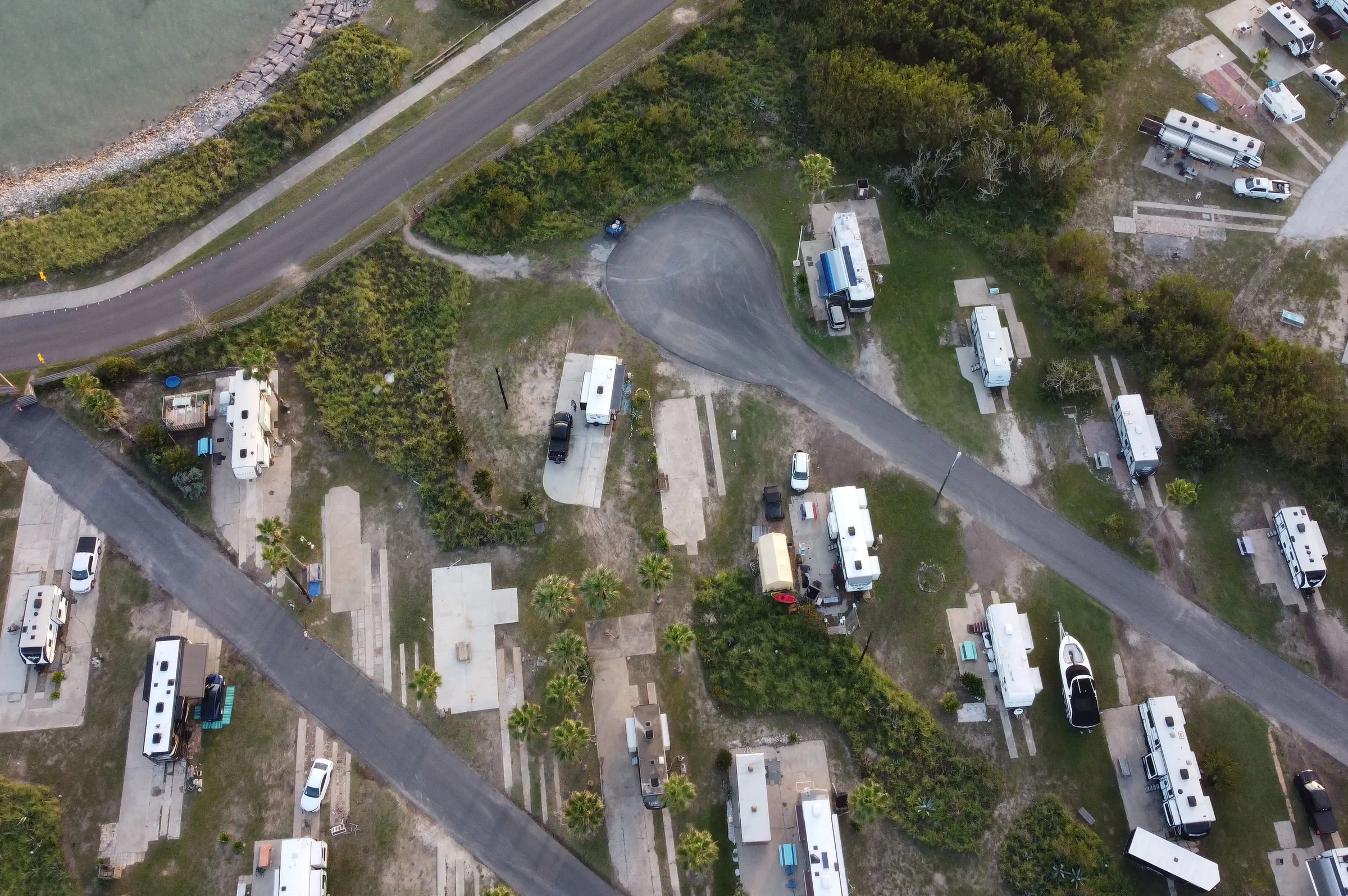
RV parks and campgrounds can combine roads, utilities, RV and tent sites, cabins, pools, playgrounds, stores, clubhouses, water access, events, and long-term guests. Coverage should reflect the property customers actually use.
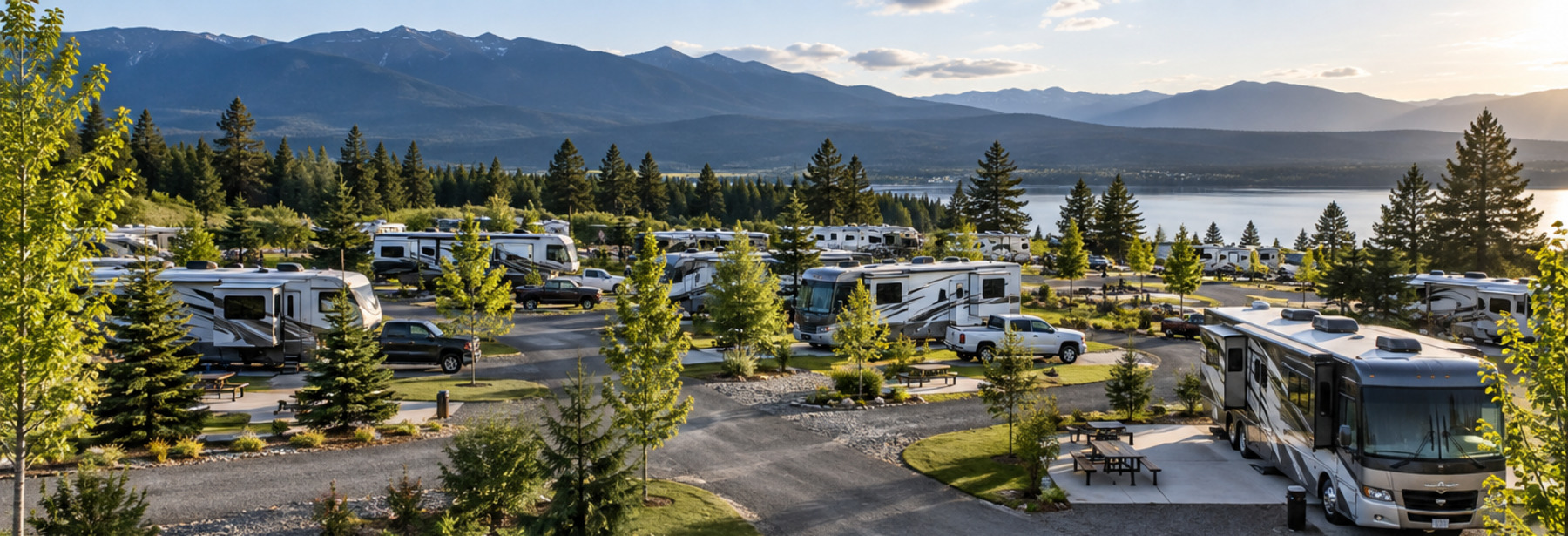
What may be part of a campground insurance program.
The right combination depends on the property, guest accommodations, amenities, recreation, infrastructure, employees, and the way the park operates throughout the year.
The physical operation
Third-party bodily injury and property damage exposures arising from the premises and operations.
Buildings, cabins, offices, stores, clubhouses, equipment, signs, and other owned property.
Hospitality exposure
RV sites, tent sites, cabins, seasonal units, and long-term occupancy.
Coverage for certain insured interruptions affecting the park's ability to operate.
What guests use
Pools, playgrounds, stores, gathering spaces, laundry, and other guest services.
Trails, water access, rentals, sports, or other recreational activities that should be disclosed.
What keeps the park running
Electrical, water, sewer, propane, roads, and other site infrastructure.
Workers' compensation, commercial auto, maintenance operations, and other business coverage where applicable.
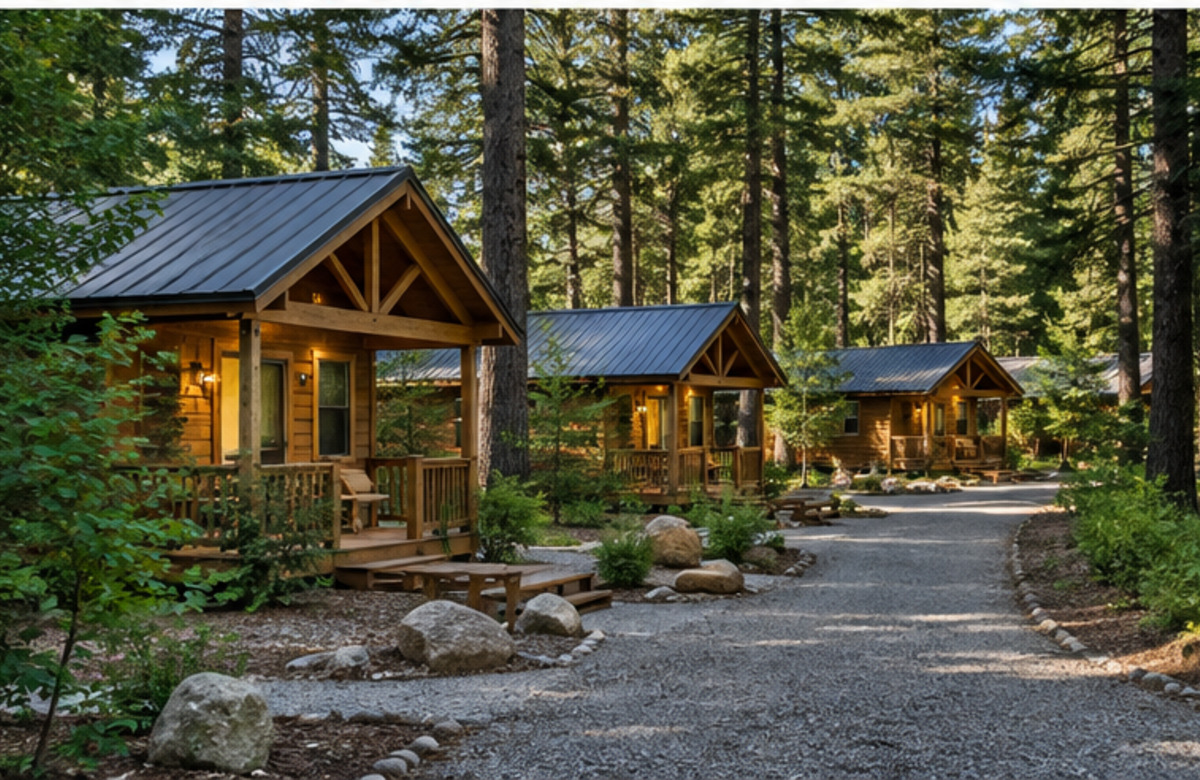
One campground can contain several different businesses.
Hospitality, retail, recreation, events, rentals, food service, long-term occupancy, and property operations may all exist on one site. The coverage request should identify those revenue streams and amenities clearly.
The same park can operate very differently across the year.
Weekend campers, seasonal guests, long-term occupants, rallies, group bookings, and special events can create very different use patterns. The policy should reflect how the park actually operates throughout the year.
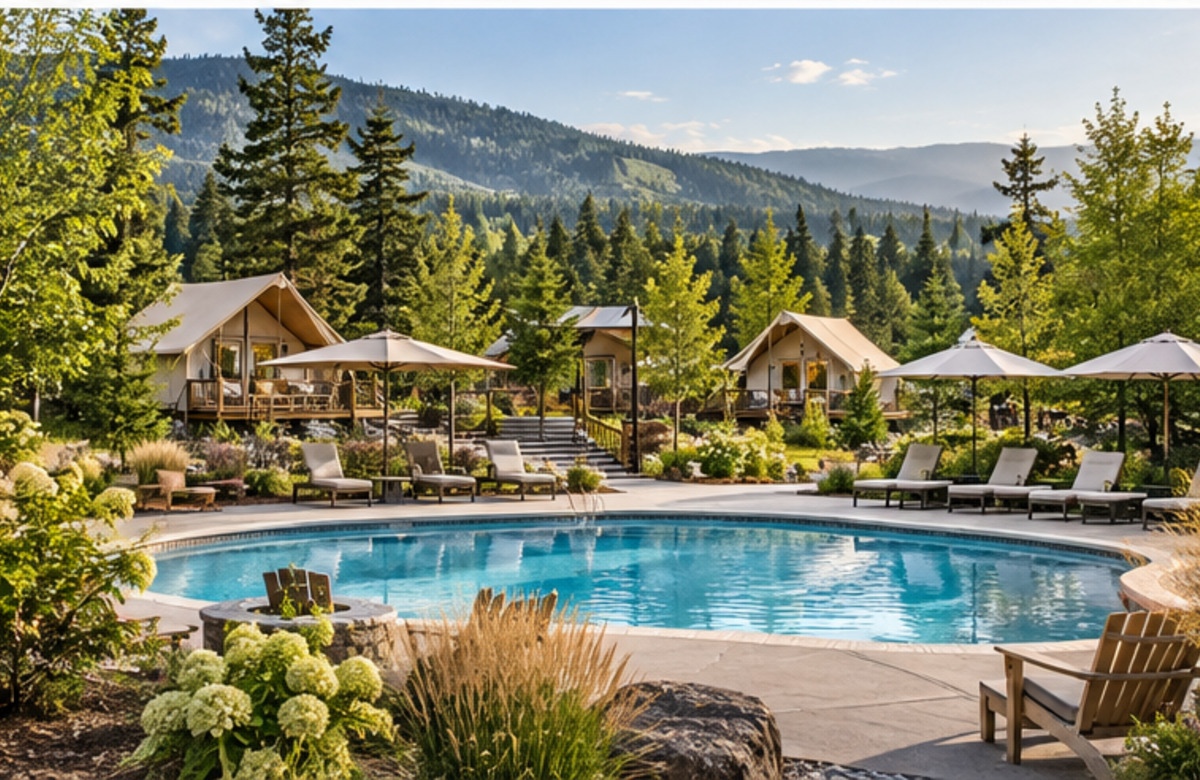
What guests can use should be visible in the insurance discussion.
Two campgrounds with the same site count may have very different operations. Pools, playgrounds, water access, cabins, rentals, stores, group spaces, and events can materially change the coverage questions.
What helps us quote an RV park or campground.
A clear property snapshot helps identify the coverage options that may fit the hospitality, property, and recreational exposures on site.
RV Park & Campground Insurance FAQs.
Buyer-friendly answers about property, guests, amenities, recreation, and the information commonly needed to start a quote.
What insurance does an RV park or campground need?
Common needs may include general liability, property, business income, workers' compensation, commercial auto, umbrella or excess, and coverage for specific recreational activities.
Can cabins and park-owned buildings be insured?
Potentially. Buildings, cabins, offices, stores, clubhouses, and other property should be listed with appropriate values for carrier review.
Do pools, playgrounds, or water access affect coverage?
Yes. Amenities and recreational activities should be disclosed because they can materially affect carrier appetite and coverage options.
Does long-term or seasonal occupancy matter?
Yes. Guest mix, seasonal units, long-term occupancy, and park rules can change the exposure and should be described accurately.
What information is needed for a quote?
Site count, acreage, buildings, amenities, recreation, utilities, guest mix, events, revenue, employees, vehicles, property values, current insurance, and loss history are common starting points.
Tell us about the property and the guest experience.
Eventure can help identify coverage options for the hospitality, property, and recreational exposures on site.