01 / PREP
Set the room.
- ParticipantsWho is taking part and under what session format?
- MaterialsWhat will be broken and how is it sourced?
- EquipmentWhat tools and protective equipment are provided?
- BriefingWhat instructions and restrictions apply?
Coverage for the customer experience and the business behind it.
Business insurance for rage rooms and smash rooms, with coverage built around the premises, guests, employees, tools, protective equipment, breakable materials, cleanup, and other services.
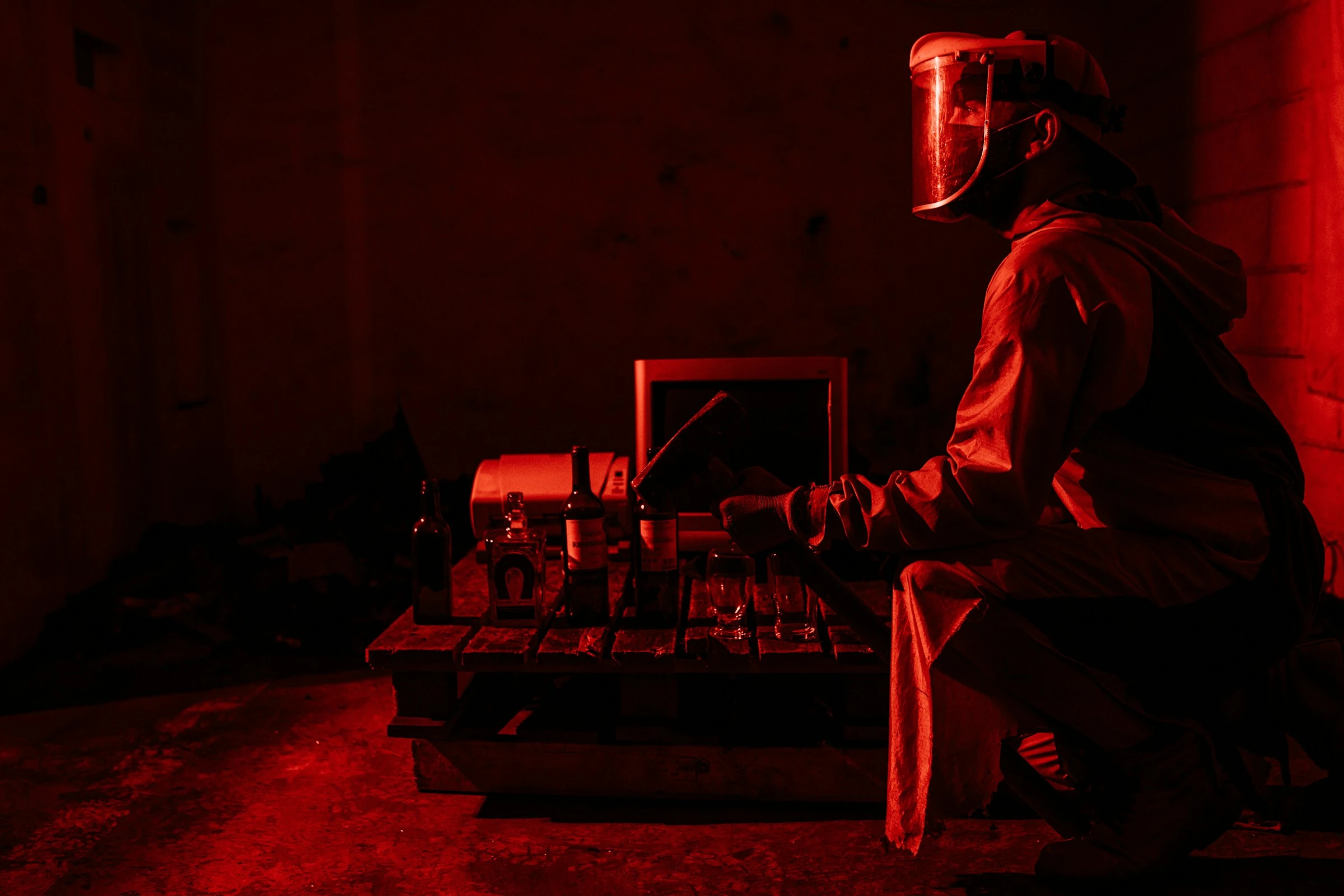
The insurance needs depend on what guests are allowed to break, which tools they use, how sessions are supervised, and what happens before and after the activity.
Breakable items, tools, protective equipment, customer belongings, and any materials supplied by the operator.
Participant profile, group format, staff roles, spectators, age restrictions where applicable, and how sessions are controlled.
Briefing, permitted tools, prohibited conduct, supervision, room access, and how a session is stopped if needed.
Room inspection, debris handling, storage, disposal, incident documentation, and reset for the next group.
From check-in and briefing to PPE, tool selection, the smash session, cleanup, and reset, clear procedures help explain how the business controls a high-energy activity.
The quote request should identify permitted breakables, tools, protective equipment, storage, debris handling, and disposal practices.
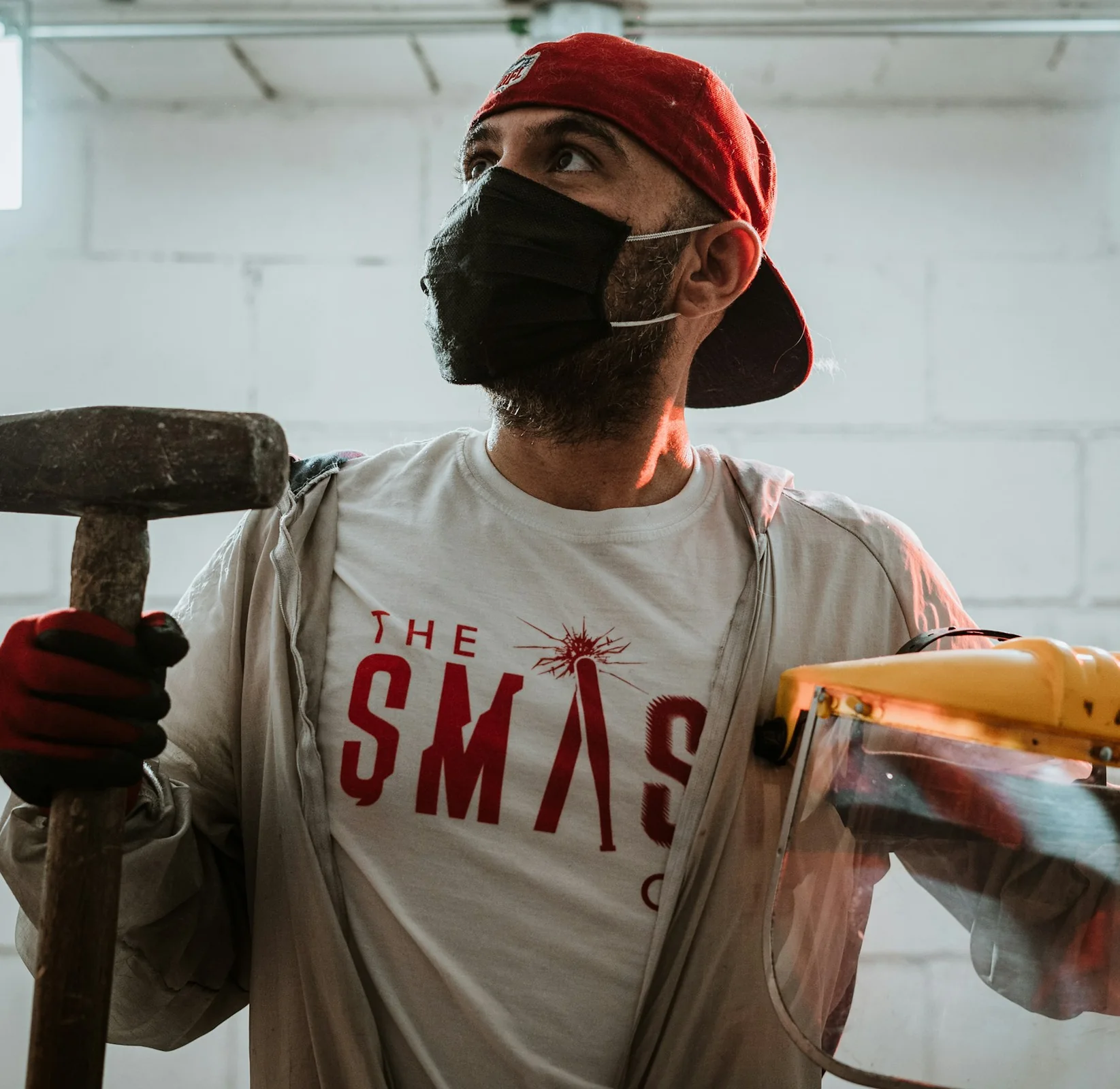
The strongest account description does not start at the first swing. It starts when the customer arrives and follows the session through checkout and reset.
Procedures, facility photos, guest rules, waivers, supervision, PPE practices, and contracts help carriers understand the activity.
Describe how participants are instructed and what protective equipment is provided or required.
Explain room layout, staff roles, spectator access, and how active sessions are controlled.
Document the process for debris removal, condition checks, and preparing the room for the next session.
If there have been prior incidents, explain what happened and what changed in the operation afterward.
The smash room may be the headline, but parties, mobile operations, retail, food or alcohol, staffing, and other attractions can create separate insurance questions.
Describe group size, booking structure, age mix, and any differences from standard sessions.
Explain the room, waiting areas, storage, staff zones, and any spectator or adjacent-use areas.
List them separately rather than assuming they fall under the rage-room description.
Bring the actual requirements so the insurance conversation is tied to the real obligation.
Location, session format, guest ages, tools, breakable materials, PPE, rules and waivers, supervision, staffing, annual sales, other attractions, current insurance, and loss history are useful starting points.
Availability, eligibility, pricing, terms, limits, exclusions, and coverage are subject to carrier requirements and actual policy terms.
Tell us what guests do, what they use, and how the facility operates. Eventure can help identify available insurance options for the business.
Direct answers
Clear starting points for insureds, organizers, brokers, venues, and other buyers evaluating this coverage.
Common needs may include general liability, property, workers' compensation, and other business coverage depending on the premises, activities, employees, and carrier.
No. Waivers may support risk management, but they do not replace insurance or prevent every claim.
Yes. Tool types, permitted breakables, protective equipment, guest rules, and supervision help define the activity being insured.
Mobile or off-site operations may be considered, but they should be disclosed because they create different premises, transportation, and event exposures.
Facility details, tools, breakables, PPE, participant rules, supervision, staffing, sales, other attractions, current insurance, and loss history are common starting points.