Live Action Role-Playing Insurance
Insurance for LARP organizers, clubs, and events that may combine physical activity, props, costumes, changing terrain, volunteers, vendors, spectators, travel, and overnight activity.
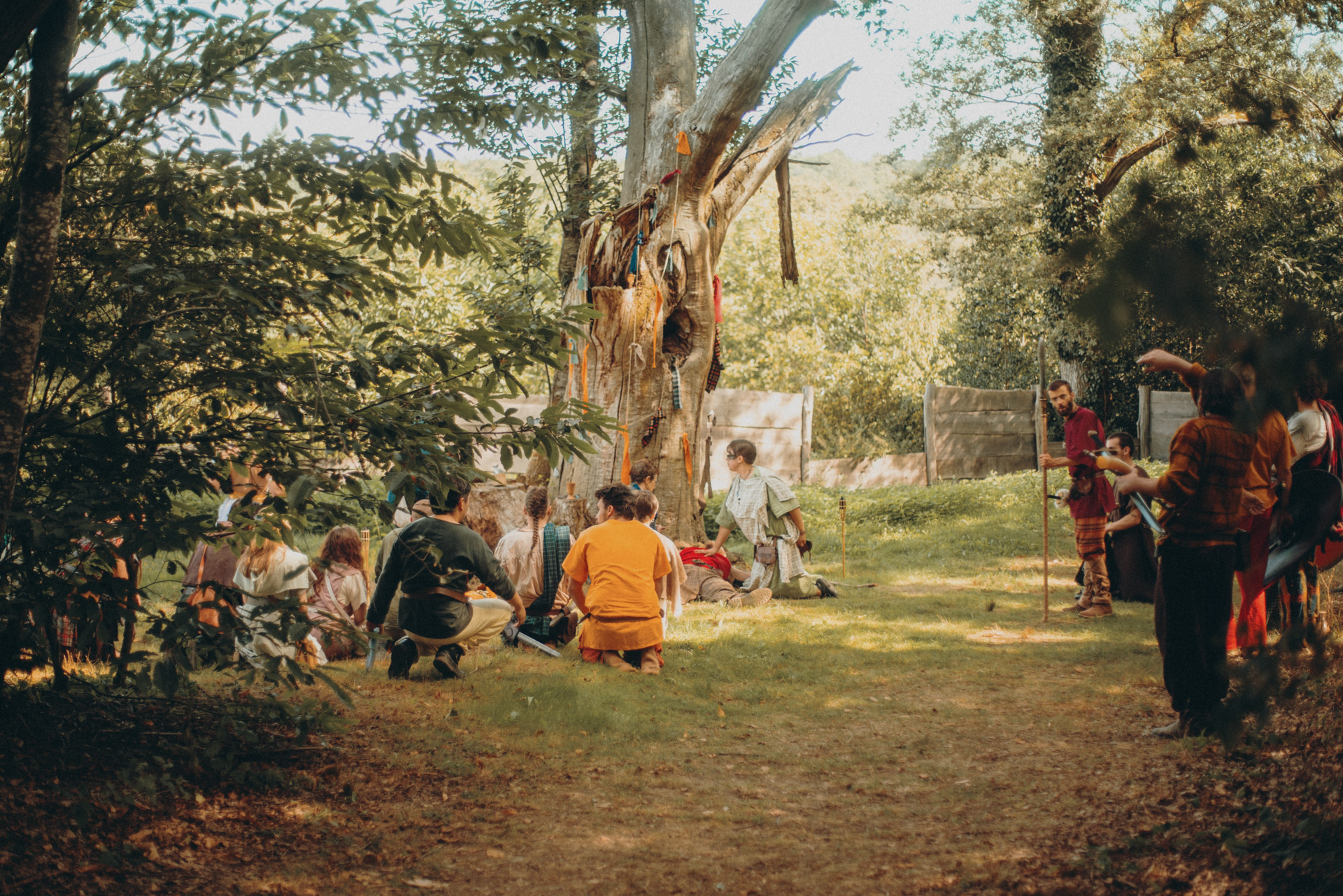

The game rules help define the real-world insurance need.
Two LARP events can look similar and operate very differently. Contact rules, props, terrain, participant ages, staff roles, locations, and overnight activity all matter.
A useful quote request explains what participants can do, what they can carry, how contact is governed, where activity takes place, who supervises it, and what happens around the game itself.
Turn the rulebook into a clear picture of the event.
The rules, participants, props, locations, staffing, vendors, lodging, and other activity should make the real event easy to understand.
What defines the LARP event
The event includes more than the live-play window.
A LARP event can be more than the live-play window. Lodging, vendors, meals, spectators, temporary structures, travel, and after-hours activity can materially change the insurance need.
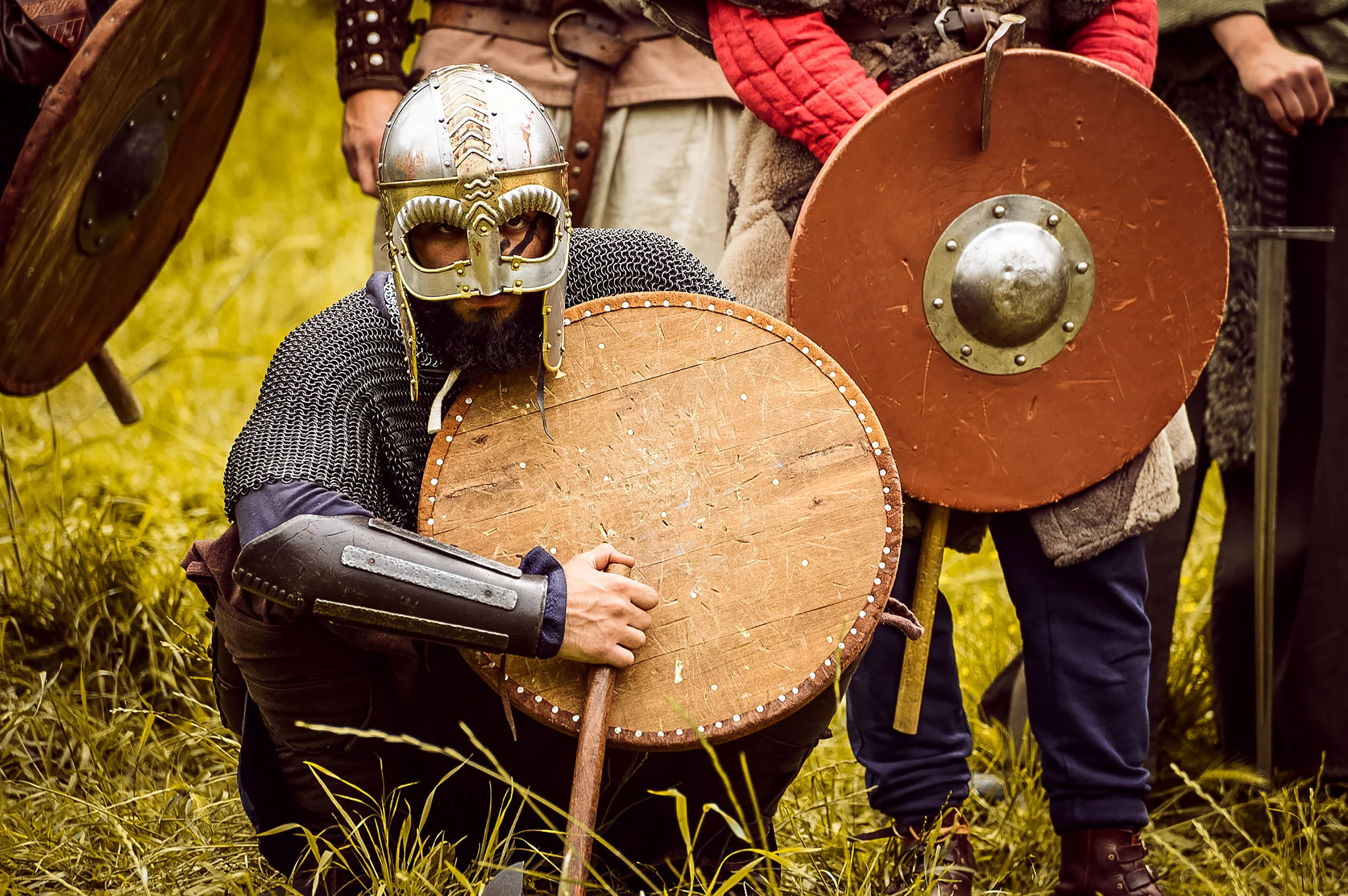
The event around the game.
Vendors, food, guests, gathering areas, entertainment, and other operations may belong in the same insurance request.
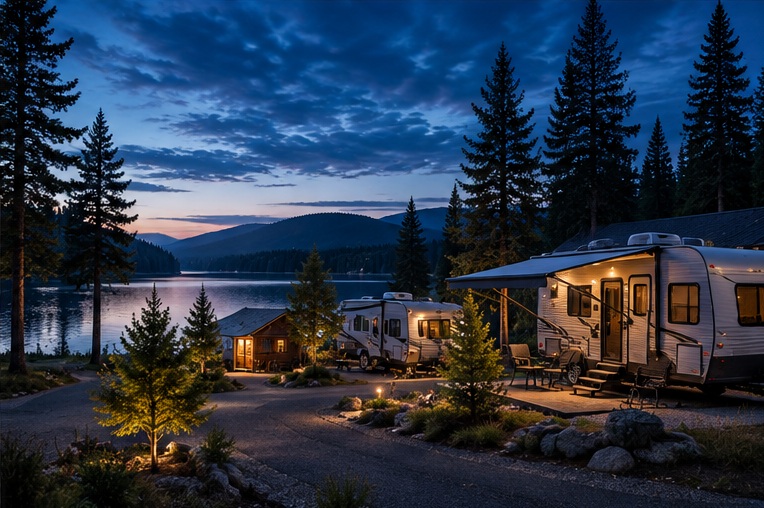
The site changes after dark.
Camping or overnight arrangements can create questions that do not exist in a day-only event.
One fictional world can contain several real event exposures.
Coverage should account for the full event, not only the combat or gameplay rules.
The participant experience has stages.
Each stage can introduce a different exposure. The insurance request should follow the participant and organizer from arrival through departure.
Registration & access
Participant details, waivers where used, site entry, parking, check-in, and initial instructions.
Rules & equipment
Contact rules, prop inspection, boundaries, prohibited activity, and staff roles.
The live experience
Participant interaction, terrain, props, game staff, spectators, and scheduled activity.
Camping & gathering
Meals, vendors, social activity, lodging, transport, fires where applicable, and other organized use.
Reset & closeout
Equipment return, site condition, incident documentation, transport, and departure.
Participant injury is not the same question as organizer liability.
Participant accident or medical options and organizer liability are different coverage questions and may have different eligibility, benefits, exclusions, and policy terms.
What happens if a participant is injured?
Identify the participant population, requested accident or medical benefits, the activity, and any program-specific eligibility or exclusions.
- Participant population and activity
- Requested accident / medical structure
- Program-specific eligibility and terms
How is the organization itself being protected?
Identify the organizer, staff, volunteers, spectators, premises, vendors, contracts, and other exposures around the event.
- Organizer and event liability
- Venue / landowner requirements
- Ancillary operations and third parties
Not every LARP operates the same way.
Duration and format can change the questions that matter. The goal is not to force every organizer into the same checklist.
What helps us quote a LARP event.
Share the rules, participant counts, ages, activities, props, locations, vendors, lodging, staff, current insurance, and venue or landowner requirements.
LARP quote information
Planning a LARP event or program?
Tell us how the event works in the real world. Eventure can help identify available insurance options for the organizer, event, and related activities.
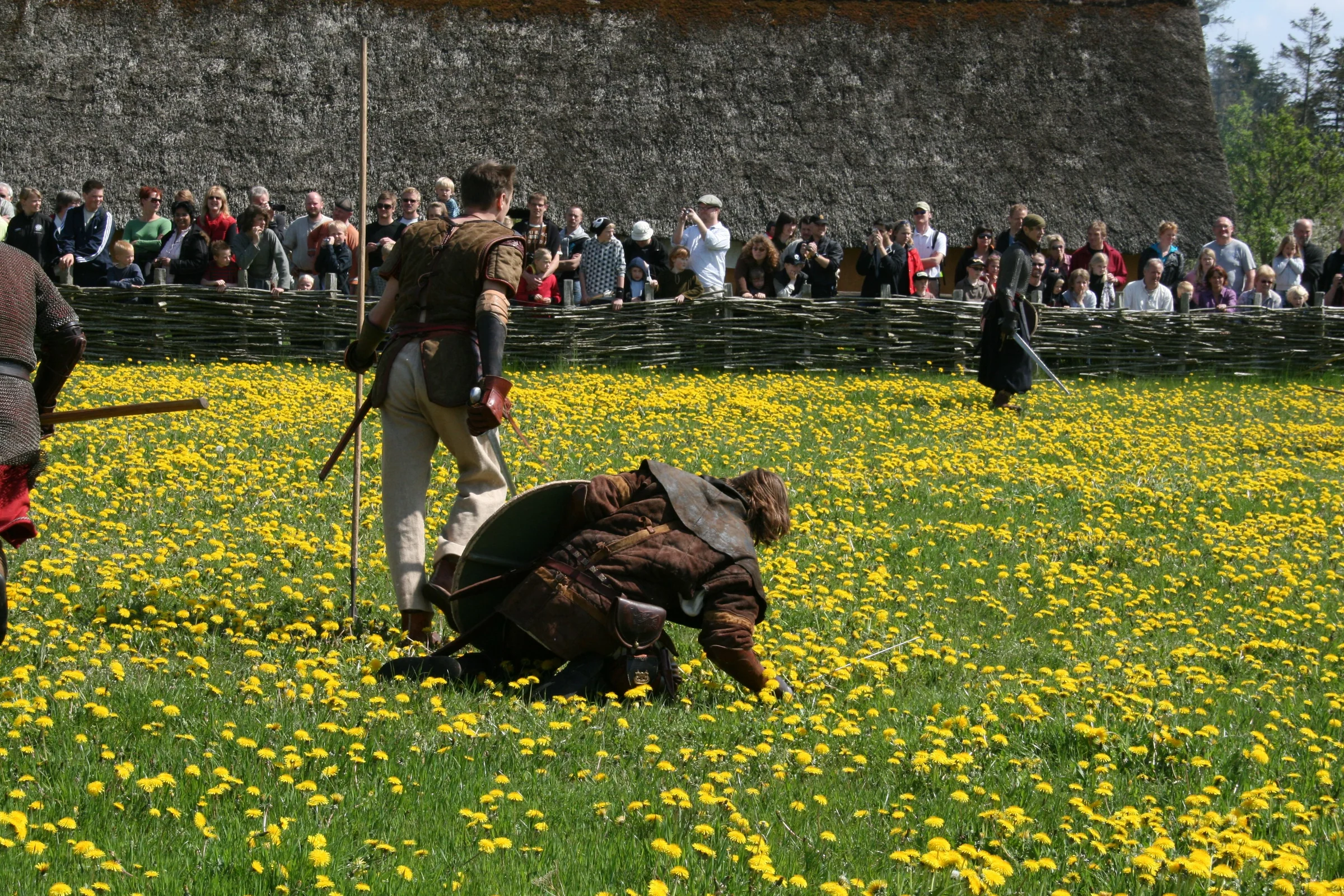
Direct answers
Live Action Role-Playing Insurance FAQs
Clear starting points for insureds, organizers, brokers, venues, and other buyers evaluating this coverage.
What insurance does a LARP group need?
Needs vary, but general liability, participant accident, property or equipment coverage, and other policies may be relevant depending on the organization's activities.
Does staged combat affect insurance?
Yes. Contact rules, weapons or props, protective requirements, supervision, and prohibited actions are important parts of describing the activity.
Can overnight camping be included?
Potentially. Overnight stays, camps, fires, meals, lodging, and related activities should be disclosed so the full program can be evaluated.
Can a venue be added as an additional insured?
Potentially, when required by contract and supported by the policy. Venue requirements should be provided during the quote process.
What information is needed for a quote?
Rules, participant counts and ages, event dates, venues, props, combat activities, overnight exposure, staffing, vendors, travel, current insurance, and loss history are typical starting points.